
Two-Tone Wheel Finishes: South Africa's Biggest Wheel Trend for 2026
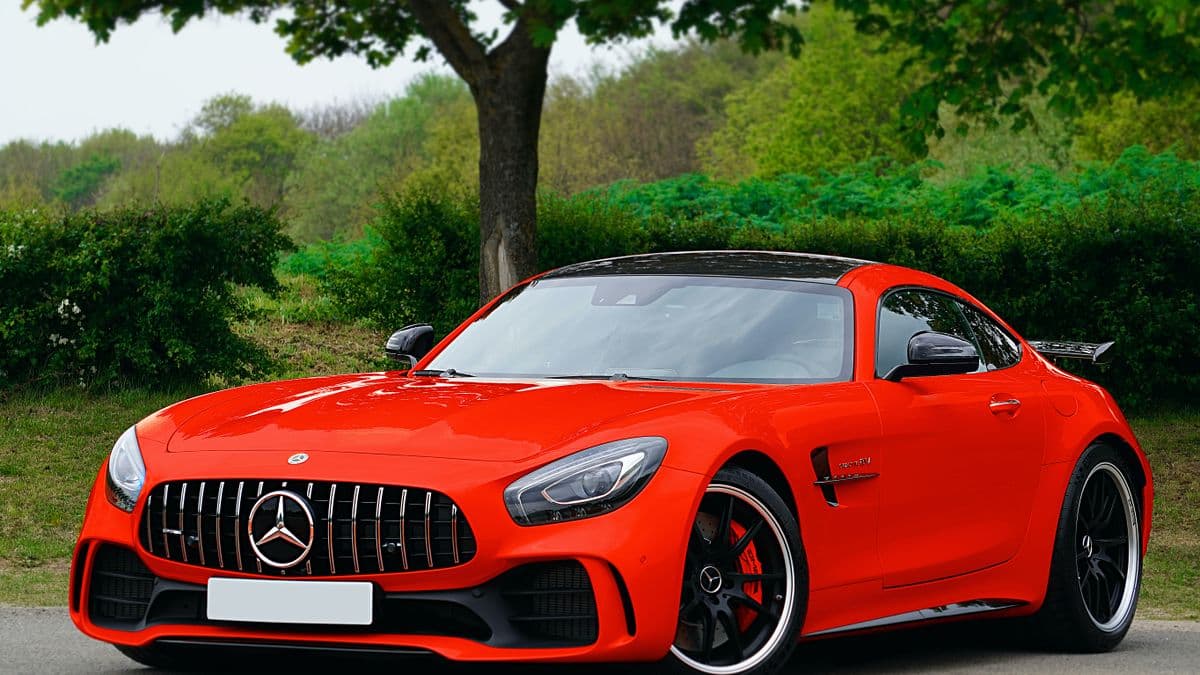
Walk through any parking lot in Tyger Valley, Canal Walk or Cavendish and you will spot the shift. The all-silver factory wheel is fading out. In its place: gloss black spokes wrapped by a bright machined lip, gunmetal centres with polished faces, matte bronze against a diamond-cut edge. Two-tone wheel finishes have moved from show-car novelty to the single most-requested custom look on our benches at Speedline Mags in Parow — and 2026 is the year they go mainstream across the Northern Suburbs.
If you have been staring at your own wheels wondering how to lift your car from "standard" to "specced," this guide is for you. We break down what a two-tone finish actually is, the styles trending in South Africa right now, what it costs in ZAR, how long it lasts, and how the process works so you know exactly what you are paying for.
What Is a Two-Tone Wheel Finish?
A two-tone wheel finish uses two different colours or textures on a single wheel to create contrast and depth. Instead of one flat colour across the whole face, the wheel is broken into visual zones — most commonly the spokes in one finish and the outer rim (the "lip" or "barrel edge") in another.
The classic execution is a diamond-cut two-tone: the spokes and centre are painted or powder coated in a solid colour, then the outer edge is precision-machined on a CNC lathe to expose bare, mirror-bright aluminium. That machined edge is sealed under lacquer. The result is the look on a lot of premium factory wheels — think BMW M Sport, Audi S-line and Mercedes-AMG rims, where a dark spoke meets a shining rim.
But two-tone is a broad family, not one recipe. It also covers:
- Colour-on-colour — for example satin grey spokes with a gloss black lip, done entirely with paint or powder, no machining.
- Centre-and-lip splits on multi-piece wheels, where the barrel and face are genuinely separate parts finished differently.
- Accent detailing — a single bright pinstripe or a contrasting spoke edge on an otherwise mono wheel.
The common thread is deliberate contrast. Done well, a two-tone finish makes a wheel look more expensive and more three-dimensional than it is. Done badly, it looks like a masking mistake. The difference is entirely in the prep and the equipment — which is where a specialist earns their keep.
Why Two-Tone Wheels Are Trending in South Africa
A few forces are pushing this trend hard in the Cape Town market specifically.
Factory wheels already set the template. OEMs have been fitting diamond-cut two-tone wheels as standard on mid- and top-spec models for years. When a customer curbs one, the honest options are a full refurbishment or a colour change — and once someone is already paying to restore a wheel, upgrading the look for a small premium is an easy yes. Our diamond cut vs powder coating comparison walks through that decision in detail.
Potholes force the issue. South African roads do not go easy on rims. A pothole strike that gouges a lip or buckles an edge often means a wheel is coming off the car anyway. Rather than restore it to plain silver, more owners are using the downtime to change the look entirely. If your wheels are already taking damage, our guide on protecting wheels from pothole damage is worth a read.
Blacked-out is everywhere, so people want to stand out from it. Gloss and matte black wheels became the default upgrade over the last decade. Two-tone is the natural next step — it keeps the dark, aggressive base most people want but adds the contrast that stops a car from disappearing into a sea of black-wheeled Polos and Rangers. If you are still deciding, compare it against a straight blackout in our custom painted black wheels guide.
It suits the cars people actually drive here. A VW Polo or Golf looks sharp with a gunmetal-and-polished setup. A Toyota Hilux or Ford Ranger carries a bronze-and-satin-black look well. A BMW 3 Series practically asks for a diamond-cut two-tone. The style scales from daily hatch to bakkie to executive sedan.
The Two-Tone Styles Winning in 2026
Here are the combinations coming through the Speedline Mags workshop most often this year.
Gloss Black Spokes with a Machined Lip
The evergreen. Deep gloss black across the face, then a diamond-cut polished edge sealed under clear. It reads premium on almost everything and it is the closest match to genuine factory finishes, which matters if you are only refinishing one or two damaged wheels and need them to blend with the set. This is where our diamond cut wheel repair process comes in.
Gunmetal with a Polished Face
Gunmetal grey has quietly become the "new silver" — dark enough to look modern, light enough to stay understated. Pair it with a polished or machined face and you get a finish that flatters German sedans and performance hatches without shouting. A strong pick if you want custom but not flashy.
Satin Black with a Bronze or Gold Accent
The motorsport-inspired look. Satin black base with bronze spokes, or black spokes with a bronze lip. It is bold, it is trending on modified Hiluxes and hot hatches, and it photographs brilliantly. Bronze is having a real moment in 2026. Just know that lighter metallics show brake dust more, so factor in cleaning — our notes on cleaning alloy wheels safely apply doubly here.
Matte and Satin Combinations
Texture-based two-tone rather than colour-based: matte spokes against a satin lip, or vice versa. Subtle in photos, striking in person as the light changes across the wheel. If you are weighing textures, our satin vs gloss wheel finish breakdown covers how each wears day to day.
How Two-Tone Wheels Are Made: The Process
Understanding the process tells you why quality varies so much between shops — and why the cheapest quote is rarely the cheapest outcome.
1. Strip and inspect. The wheel is stripped back to bare metal and checked for cracks, buckling and previous poor repairs. A two-tone finish hides nothing; any dent under the paint will show. Damage is repaired first — see our wheel straightening and bent rim repair guide if your rims have taken a hit.
2. Base finish. The spokes and centre are coated in the chosen base colour. On our benches this is usually powder coating for durability — the same process detailed in our powder coating wheels complete guide — or a high-quality automotive paint for colours powder can't match.
3. The contrast step. For a diamond-cut two-tone, the wheel is mounted on a CNC lathe and the outer face is machined to a precise, mirror-bright finish, removing microns of aluminium in a controlled cut. For a colour-on-colour two-tone, this step is instead careful masking and a second coat. This is the make-or-break stage — machining requires a properly calibrated lathe and an operator who knows the tolerances.
4. Seal and cure. A clear lacquer goes over everything to lock in the finish and, critically, to protect that bare machined edge from oxidising. Skip or rush this and a diamond-cut lip will start to corrode within months. It then cures in the oven.
5. Balance and refit. Wheels are rebalanced and refitted. If yours have been off the car, our wheel balancing after rim repair guide explains why this step is not optional.
What Do Two-Tone Wheels Cost in South Africa?
Pricing depends on wheel size, the style, and whether machining is involved. As a 2026 guide for a standard set of four at Speedline Mags:
- Colour-on-colour two-tone (powder/paint, no machining): roughly R900–R1,400 per wheel.
- Diamond-cut two-tone (machined lip): roughly R1,300–R2,000 per wheel, because it needs CNC lathe time and precise lacquering.
- Concave or large-diameter wheels (19"+): at the upper end, as they take longer to machine and finish.
Damage repair, if your wheels are curbed or buckled, is quoted on top. For a full picture of refinishing costs across finishes, see our wheel repair cost price guide and the dedicated powder coating cost breakdown.
A word on cheap quotes: a two-tone finish is labour-intensive and unforgiving. A price that looks too good usually means thin lacquer, rushed masking or an uncalibrated lathe — and a finish that peels or corrodes inside a year. This is a case where paying for the right shop is genuinely cheaper over the life of the wheel.
How Long Does a Two-Tone Finish Last?
A properly executed two-tone finish should last years, not months. Powder-coated bases are extremely hard-wearing. The vulnerable point is always the machined edge on a diamond-cut wheel: that exposed aluminium is protected only by its lacquer, so if the lacquer is chipped by a kerb or thinned by a poor application, corrosion creeps in under it. That is exactly the failure mode we cover in our wheel corrosion causes and prevention article.
To get the most from the finish:
- Wash with a pH-neutral cleaner, not acid wheel cleaners.
- Deal with kerb chips on the lip quickly, before moisture gets under the lacquer.
- Keep an eye on any bubbling or dulling at the machined edge and get it re-lacquered early.
Two-tone is a premium finish, and like any premium finish it rewards a little care. Our ultimate wheel care guide has the full maintenance routine.
Is a Two-Tone Finish Right for Your Car?
Two-tone works best when the wheel design has clear zones to play with — defined spokes and a distinct lip. Multi-spoke and split-spoke designs shine. Very busy or fully concave designs can look muddy, so it is worth a quick chat before committing.
It is also a smart move if you are already refurbishing damaged wheels: the incremental cost to go two-tone is small relative to doing a full strip and refinish twice. And if you have factory diamond-cut wheels that are corroding or curbed, restoring them as a proper two-tone is often the only way to get the OEM look back — a repaint alone won't replicate that machined edge. Still deciding between fixing and swapping? Our wheel repair vs replacement guide helps you weigh it up.
Get Your Two-Tone Wheels Done in Cape Town
Two-tone finishes are the defining wheel trend of 2026 in South Africa, and they are one of the most satisfying upgrades you can make to a car — a genuine transformation for a fraction of the cost of new wheels. But the finish is only as good as the prep, the equipment and the lacquer behind it.
At Speedline Mags in Parow, we run the full process in-house: strip, damage repair, powder coating, CNC diamond-cut machining and proper sealing, with balancing before the wheels go back on. We look after drivers from across the Northern Suburbs — Parow, Bellville, Goodwood, Durbanville and beyond — and we are happy to talk you through the styles that will suit your specific wheels.
Ready to give your car the two-tone look? Contact Speedline Mags for a quote, bring your wheels through to our Parow workshop, or send us a photo and we will tell you honestly what finish will work best. Let's build something that turns heads for all the right reasons.