
SUV Wheel Care: Bigger Wheels, Bigger Responsibility
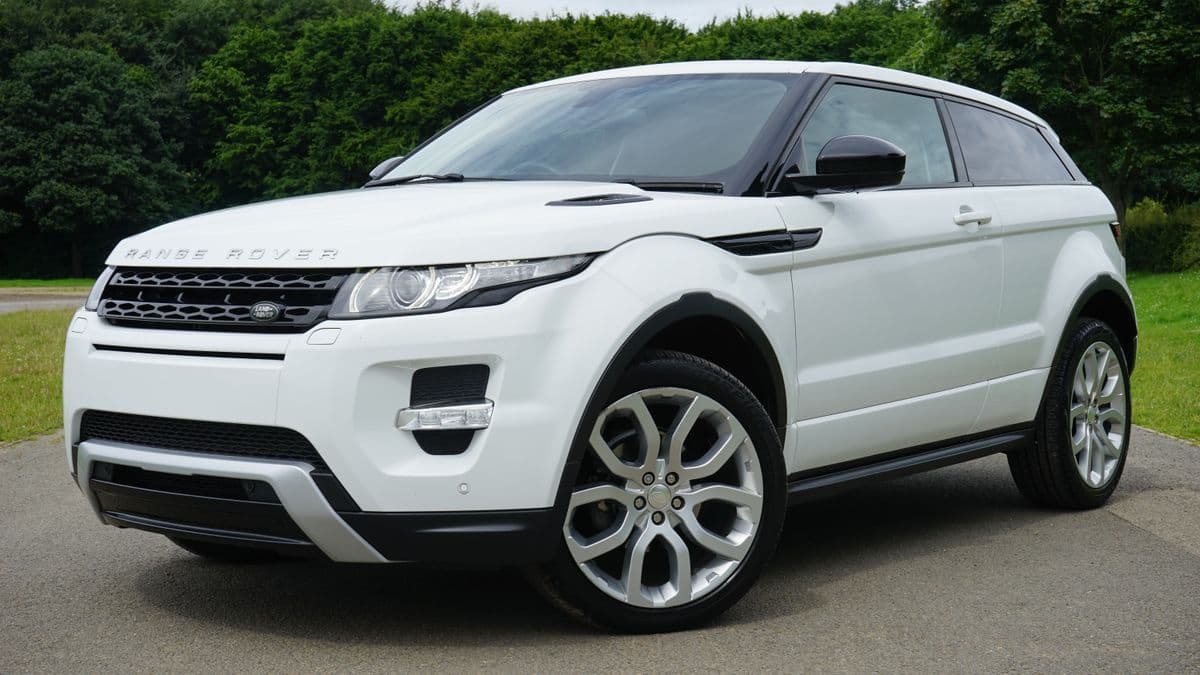
SUVs have taken over South African roads, from the school run in Durbanville to gravel farm tracks in the Winelands. With them came bigger, heavier and more expensive wheels — and a set of care needs that a hatchback owner never has to think about. If you drive a Fortuner, an Everest, a Range Rover or a Haval H6, good SUV wheel care is not optional. Bigger wheels genuinely mean bigger responsibility, and getting it wrong is an expensive lesson.
At Speedline Mags in Parow, we repair and refurbish large-diameter SUV wheels every week. This guide covers what actually matters — cleaning, tyre pressure, kerb and pothole survival, corrosion, and the warning signs that mean it is time to stop driving and call a specialist.
Why SUV Wheels Need Different Care
A modern SUV wheel is a very different object to the 14-inch steelie on an entry-level city car. Three things change the maths.
First, diameter. Most SUVs now run 18 to 22-inch alloys. The bigger the rim, the thinner the tyre sidewall wrapped around it. That sidewall is your suspension of last resort — it is the cushion between the rim and the road. A 45-profile tyre gives the rim far less protection than a 65-profile one, so the same pothole that a Polo shrugs off can crack or buckle an SUV rim outright.
Second, weight. An SUV can weigh 1,900 to 2,600 kg loaded with family and luggage. All of that mass lands on the wheels every time you hit a pothole or mount a kerb. More weight means more force through the rim, and more force means damage happens faster and runs deeper.
Third, cost. A single 20-inch OEM alloy for a premium SUV can run R8,000 to R18,000 new. Replacing one is painful; replacing a matched set is brutal. That economics is exactly why professional repair almost always wins — a point we cover in detail in our wheel repair vs replacement decision guide.
Tyre Pressure: The Single Most Important Habit
If you do only one thing from this article, check your tyre pressure. On heavy SUVs it is the number one protector of your wheels.
Under-inflated tyres let the sidewall flex and squirm. When you hit a pothole with a soft tyre, the tyre bottoms out and the pothole edge strikes the rim directly — that is how rims buckle and crack. Over-inflation makes the tyre rigid and reduces its ability to absorb impact, which also transmits shock straight to the alloy.
- Check pressure at least once a month, and always before a long trip.
- Check when the tyres are cold — pressure rises as they heat up, so a hot reading misleads you.
- Use the figure on the driver's door jamb sticker, not the number moulded into the tyre (that is a maximum, not a recommendation).
- Increase pressure when loaded — most SUV plates list a separate "full load" figure. A packed Fortuner heading to the Kruger needs more than the same car doing the school run.
Correct pressure protects the rim, extends tyre life and keeps fuel consumption sane. For a bakkie-based SUV, our detailed Ford Ranger and SUV tyre pressure guide breaks down the numbers by trim.
Cleaning Big Alloys Without Doing Damage
Large SUV wheels collect more brake dust and road grime simply because there is more surface area and bigger brakes behind them. But aggressive cleaning does more harm than neglect.
The wrong products strip the protective clear coat off an alloy. Once that coat is compromised, moisture and salt get under it and corrosion begins — and on the coast in Cape Town, salt air is relentless.
Our recommended routine:
- Rinse first to float off loose grit before you touch the wheel. Dragging grit across the finish scratches it.
- Use a pH-neutral, acid-free wheel cleaner. Avoid harsh acid-based products — they eat clear coat and diamond-cut finishes. We explain why in our guide to acid-free wheel cleaners for South African conditions.
- Use a soft wheel brush to reach between spokes, and a separate wash mitt from the one you use on the paint.
- Dry the wheels to prevent water spotting and to keep moisture out of any tiny chips.
- Do this every one to two weeks — brake dust is mildly corrosive and baking it on in the sun makes it far harder to remove.
For a full step-by-step, see how to clean alloy wheels safely. A wax or dedicated wheel sealant twice a year adds a sacrificial layer that makes future cleaning easier and slows corrosion.
Potholes and Kerbs: The Two Biggest Threats
Cape Town roads are hard on wheels. Winter rain opens up potholes across the Northern Suburbs, and a raised SUV driving position can make it harder to judge exactly where your wide wheels are tracking.
Surviving potholes
You cannot always avoid a pothole, but you can reduce the damage:
- Keep a safe following distance so you can see holes early rather than react late.
- If a hole is unavoidable, do not brake hard at the moment of impact. Braking loads the front suspension and pins the wheel down, which increases impact force. Slow down before, then release the brake over the hole.
- Keep both hands on the wheel — a big pothole can snatch the steering.
Even with perfect technique, big-diameter, low-profile SUV setups take pothole hits badly. Prevention only goes so far; our article on protecting your wheels from pothole damage covers the trade-offs in tyre choice and driving style.
Avoiding kerb rash
SUVs are wide, and it is easy to misjudge a tight parallel park or a steep driveway lip. Scraping a rim against a kerb — kerb rash — is the most common alloy injury we see. Park with a little extra clearance, turn in gently rather than clipping the kerb at an angle, and be especially careful with those big rims on angled driveways where the sidewall can pinch. If it does happen, minor kerb rash is very repairable — see how to fix curb rash on alloy wheels.
Corrosion: The Slow, Quiet Killer
Living near the coast, Cape Town SUV owners face a corrosion challenge that inland drivers do not. Salt air attacks any exposed aluminium, and wheels take the full brunt of it.
Corrosion usually starts where the finish is already broken — a stone chip, a kerb scrape, or an area where harsh cleaner stripped the clear coat. From there it spreads under the coating, causing bubbling, white powdery oxidisation and, on the bead seat, slow tyre leaks. A corroded bead is a common reason an SUV tyre keeps going soft even though the tyre is fine.
Prevention is straightforward: keep the finish intact, wash off salt and brake dust regularly, and seal the wheels. Once corrosion sets in, though, it does not reverse on its own — it needs stripping back and refinishing. Our guide to wheel corrosion causes, prevention and treatment explains when a wheel can be saved and when the damage has gone too far.
Off-Road and Gravel Driving
Plenty of SA SUVs actually earn their keep — farm roads, dirt tracks to the coast, the odd 4x4 trail. Gravel is abrasive and throws sharp stones at the rims. A few habits help:
- Drop pressure slightly for extended gravel driving to soften impacts, then re-inflate for tar. Do not forget to re-inflate — running low pressure at highway speed builds heat and is dangerous.
- Rinse wheels thoroughly after gravel or beach trips; sand and mud trap moisture against the alloy and accelerate corrosion.
- Inspect for chips and cracks after rough trips, especially on the inner rim lip where damage hides.
If your SUV is a workhorse, our specialist guides for the Toyota Hilux and Fortuner and the Isuzu D-Max cover the demands of tough conditions in more depth.
Rotation, Balancing and Alignment
Bigger wheels magnify the effects of imbalance and misalignment.
- Rotation every 10,000 km evens out tyre wear across the set, which matters more on heavy SUVs that chew through front tyres.
- Balancing stops the steering wheel and seat vibrating at highway speed. A large wheel that is even slightly out of balance produces a much more noticeable shake — and that vibration also loosens components over time. If you feel a wobble that builds with speed, read wheel vibration at high speed: causes and fixes.
- Alignment protects your expensive tyres from uneven, one-sided wear and keeps the SUV tracking straight.
Any time a wheel is repaired or a tyre refitted, insist on a fresh balance — we cover why in wheel balancing after rim repair.
Warning Signs It Is Time to Call a Specialist
Some issues you can manage at home. These mean stop and get the wheel checked:
- Vibration through the steering or seat that gets worse with speed — often a buckle or lost balance weight.
- A visible bend, flat spot or crack on the rim lip.
- A tyre that keeps losing pressure with no puncture in the tread — frequently a corroded or bent bead seat.
- Bubbling, flaking or white oxidisation on the alloy face.
- Pulling to one side or new, uneven tyre wear.
A cracked SUV wheel is a genuine safety risk given the weight and speed involved — do not ignore it. Whether a crack can be safely welded depends on where it is, and that is a call for a professional, not a DIY guess.
What SUV Wheel Repair Costs
The good news: repair is almost always far cheaper than replacement. As a rough guide in 2026, kerb-rash and cosmetic refinishing on an SUV alloy typically runs from a few hundred to around R1,500 per wheel, while straightening a buckled rim or refinishing a diamond-cut face costs more. Against R8,000-plus for a single premium OEM replacement, the case for repair is clear. For current numbers see our wheel repair cost price guide for South Africa.
When refinishing a full set for a fresh look, you will choose between finishes — the durable, uniform coverage of powder coating versus the precision machined shine of diamond cut. We compare them in diamond cut vs powder coating.
SUV Wheel Care: The Short Version
- Check tyre pressure monthly and before trips — cold, and higher when loaded.
- Clean every one to two weeks with acid-free products and seal twice a year.
- Slow down for potholes without braking on impact; give kerbs extra clearance.
- Wash off salt and gravel to hold corrosion at bay on the coast.
- Rotate, balance and align on schedule — big wheels punish neglect.
- Act on vibration, cracks and persistent slow leaks immediately.
Bigger wheels reward the owner who looks after them and punish the one who does not. A little routine care keeps your SUV rolling straight, safe and looking sharp.
Talk to the SUV Wheel Specialists in Cape Town
Whether your SUV wheels need a routine refurbishment, a buckle straightened after a Northern Suburbs pothole, or corrosion treated before it spreads, the team at Speedline Mags in Parow works on large-diameter SUV alloys every day. We serve drivers across Parow, Bellville, Goodwood, Durbanville and the wider Cape Town area.
Bring your wheels in for an honest assessment — we will tell you straight whether it is a quick fix or something more, and what it will cost. Contact Speedline Mags today to book your SUV wheel repair or refurbishment, and keep those big wheels doing their job.