
How to Spot a Badly Repaired Alloy Wheel
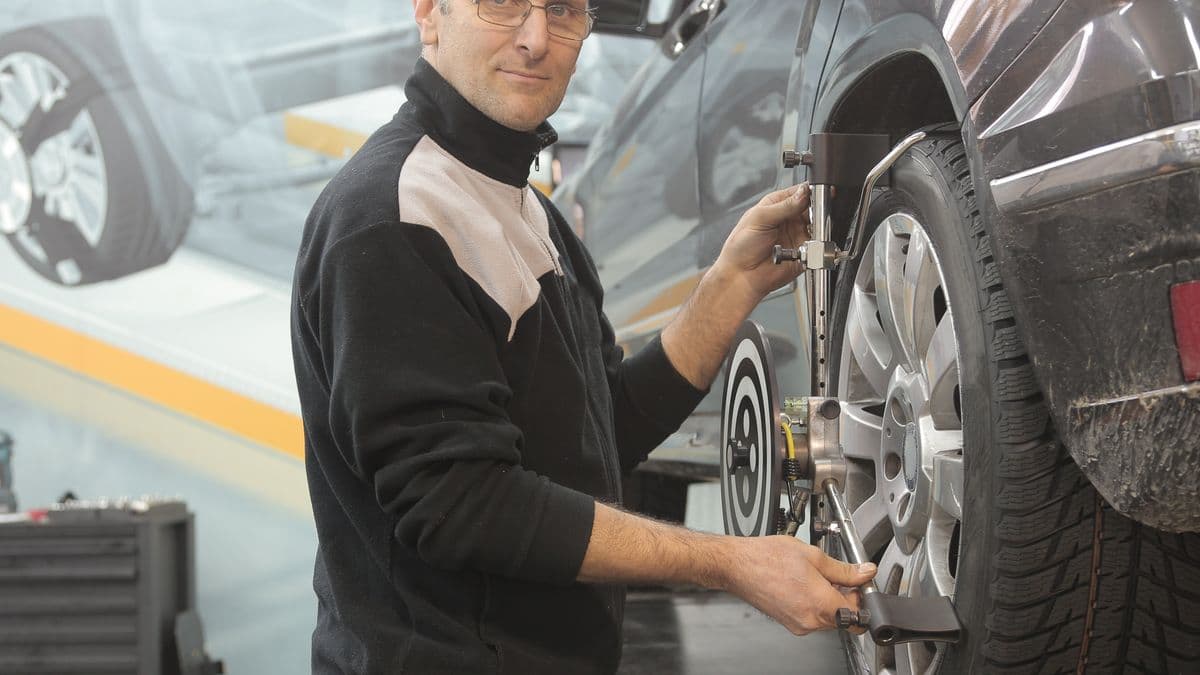
Not every wheel repair is done properly. A skilled technician can make curb rash, a buckle or a scuff disappear so completely that you would never know it happened. A rushed or unskilled one can hide the damage just long enough to get through a sale — and leave you with a wheel that leaks air, vibrates at speed, or peels within a season. Learning how to spot a badly repaired alloy wheel is one of the most useful skills a South African driver can have, whether you are buying a used VW Polo, checking a job you paid for, or inspecting a set of second-hand mags before you fit them.
At Speedline Mags in Parow, we see the aftermath of poor repairs every week. Owners bring in wheels that were "fixed" somewhere cheaper, only to discover the problem was covered up rather than corrected. This guide walks you through exactly what a bad alloy wheel repair looks like — the cosmetic tells anyone can catch, and the structural red flags that actually matter for your safety.
Why a Bad Alloy Wheel Repair Is More Than a Cosmetic Problem
It is tempting to think of wheel repair as purely about looks. It isn't. A wheel is a load-bearing structural component spinning at high speed, carrying a quarter of your car's weight and transmitting every bit of braking and cornering force to the road. When a repair is done badly, the consequences go well beyond an ugly finish:
- Air leaks. A poorly filled or improperly sealed repair around the bead can cause a slow puncture that never quite goes away. If you have chased a mysterious slow leak before, a hidden repair is a common culprit — we cover this in detail in our guide to a slow tyre leak from the rim.
- Vibration and imbalance. Filler added in the wrong place, or a buckle that was only partly straightened, throws the wheel out of balance. You feel it as a shimmy through the steering wheel from about 80 km/h upward.
- Structural weakness. The most dangerous bad repairs involve cracks that were ground down, filled and painted over instead of being properly welded — or not welded at all. That wheel can fail without warning.
- Wasted money. A cheap repair that peels, bubbles or discolours within months means you pay twice: once for the botched job, and again to have it done properly.
Knowing how to spot a badly repaired alloy wheel protects you on all four fronts. Let's start with the things you can see.
Visual Red Flags: What a Poor Repair Looks Like
Most bad repairs give themselves away to the naked eye if you know where to look. Clean the wheel first, then inspect it in good daylight — bright sun or shade both hide flaws, so aim for even, indirect light.
Colour and finish mismatch
Hold the repaired wheel next to its three siblings. On a properly refurbished single wheel, the colour, gloss level and texture should match the others almost perfectly. Warning signs include:
- A patch that is slightly lighter, darker or a different shade of silver or grey.
- A glossier or duller area where paint was blended in.
- A finish that looks "flat" or plasticky compared to the factory sheen.
A good shop that repairs one wheel will get the colour close. A great one will refinish the full face so there is no visible join at all. If you can see where the repair starts and stops, it was rushed.
Orange peel, runs and overspray
Look closely at the surface texture. Quality paint and clear coat should be smooth and even. Bad tells:
- Orange peel — a dimpled, citrus-skin texture caused by paint applied too thick, too fast, or in poor conditions.
- Runs and sags — drips of paint or clear coat that ran before curing.
- Overspray — a dusty, rough film of paint on the tyre, the valve stem, or the inner barrel where masking was skipped.
Overspray in particular is a dead giveaway of a rushed job. A shop that could not be bothered to mask the tyre properly almost certainly cut corners you cannot see.
Filler marks, sanding scratches and pinholes
Curb rash is often repaired with a metal filler, sanded flat, then refinished. Done well, it is invisible. Done badly, you will spot:
- Sanding scratches — faint parallel lines showing through the paint where the surface was not finished smooth before coating.
- Pinholes — tiny craters in the filler that were painted over instead of filled.
- A visible "step" or ridge where the filler meets the original metal, especially on the rim lip.
Run a fingernail lightly over a repaired edge. If you feel a lip, a rough patch or a sudden change in texture, the prep work was poor. For context on what a proper curb-rash repair should look and feel like, see our guide on fixing curb rash on alloy wheels.
Poor diamond-cut lines
Diamond-cut wheels — with their bright, machined, two-tone face — are the hardest finish to repair well because the surface is cut on a CNC lathe. A bad diamond-cut repair shows up as:
- Uneven or wavy cutting lines instead of perfectly concentric grooves.
- A dull or cloudy patch where the lacquer over the machined face is failing.
- A mismatch in brightness between the repaired section and the rest of the face.
- Corrosion creeping back under the clear coat within months — a sign the lacquer was applied over an inadequately prepared surface.
If a shop claims to have "diamond-cut" your wheel but the lines look painted or hand-brushed rather than machine-perfect, be suspicious. Learn what the genuine process involves in our diamond cut vs powder coating comparison.
Structural Red Flags: The Ones That Actually Matter for Safety
Cosmetic flaws are annoying. Structural shortcuts are dangerous. These are the bad repairs that can put you at risk, and they are exactly the ones a dishonest seller most wants to hide.
Cracks that were filled instead of welded
This is the most serious of all. A cracked alloy wheel must be properly assessed and, where it is safe to do so, welded by a qualified technician — never simply ground out, packed with filler and painted. Signs a crack was covered up rather than repaired:
- A faint hairline running across the spoke or barrel, sometimes visible only when you flex or tap the wheel.
- A patch of filler or "bog" on the inner barrel that has no business being there.
- Fresh paint on the inside of the wheel (the barrel) that does not match — inner barrels are rarely refinished unless something was being hidden.
We only weld cracks where it is genuinely safe, and we are honest when a wheel should be replaced. That judgement matters — read more in our cracked wheel repair and welding safety guide.
A buckle that was only partly straightened
A buckled or bent rim can be straightened, but it has to be brought back true — not just "good enough to hold air." A half-done straightening job reveals itself through:
- Persistent vibration at highway speed that no amount of balancing fixes.
- A wheel that needs an unusually large balancing weight to run smoothly (a good workshop will tell you if a wheel took more weight than normal).
- Visible flat spots or a slight egg shape when the wheel is spun.
If you buy a car and feel a shimmy from 90 to 120 km/h, a poorly straightened rim is a prime suspect. Proper balancing after any rim work is essential — see wheel balancing after rim repair.
Air loss and bead damage
A repair near the tyre bead (the sealing edge) has to be flawless, because that is where the tyre seals against the wheel. If a repaired wheel loses air steadily, or the tyre fitter reports trouble seating the bead, the repair likely compromised the sealing surface.
How to Inspect a Wheel Yourself: A Quick Checklist
Whether you are buying a used car in Bellville, collecting a repair, or checking a set of second-hand mags, run through this:
- Clean each wheel and inspect in even light.
- Compare all four for colour, gloss and texture consistency.
- Feel the rim lips with your fingertip for steps, ridges or rough patches.
- Check the inner barrels for mismatched paint, filler, or hidden welds.
- Look for overspray on tyres, valves and brake components.
- Spin each wheel (if on a jack or lift) and watch for wobble or a flat spot.
- Test-drive and note any vibration from 80 km/h upward.
- Ask for history — a straight answer about past damage tells you a lot.
If two or more of these raise a flag, get the wheel professionally assessed before you trust it — or before you agree a price on the car. It is far cheaper to catch a bad repair before money changes hands. If you are unsure whether a wheel is even worth saving, our wheel repair vs replacement decision guide will help you weigh it up.
What a Proper Alloy Wheel Repair Should Look Like
So you know how to spot a badly repaired alloy wheel — but what does the good version look like? A quality repair from a proper workshop should be, quite simply, invisible and durable:
- Seamless colour and finish that matches the surrounding wheel or the full set.
- Smooth, even paint and clear coat with no orange peel, runs or overspray.
- Clean rim lips with no steps, filler ridges or sanding marks.
- Correct structural work — cracks welded only where safe, buckles fully straightened, then balanced.
- A finish that lasts — no peeling, bubbling or corrosion returning within months. Premature clear-coat failure is often a prep problem, as we explain in peeling clear coat on alloy wheels.
The difference between a good and a bad repair almost always comes down to preparation and honesty — proper stripping, straightening and priming, and a workshop willing to tell you when a wheel should be replaced rather than patched.
Questions to Ask Before You Hand Over Your Wheels
A few straight questions will separate a proper workshop from a corner-cutter:
- Do you strip and refinish the full wheel, or only spot-repair the damaged area?
- How do you handle cracks — do you weld, and how do you decide if a wheel is safe to repair?
- Will you balance the wheels after straightening?
- What warranty do you offer on the finish?
- Can I see examples of previous work?
Confident, specific answers are a good sign. Vague responses, or a price that seems too good to be true, usually mean the quality will be too. For more on choosing well, read how to find the best rim repair company and our wheel repair cost guide so you know what a fair price actually looks like.
Get an Honest Assessment in Cape Town's Northern Suburbs
Cape Town's roads are hard on wheels — potholes, kerbs and low-profile tyres on modern cars all take their toll — and the region has no shortage of quick-fix operators. If you suspect a wheel on your car was badly repaired, or you are about to buy a used car and want a second opinion, the safest move is to have it looked at by specialists who repair wheels every single day.
At Speedline Mags in Parow, just a few minutes from Bellville, Goodwood and the wider Northern Suburbs, we assess wheels honestly. If a previous repair was done poorly, we will show you exactly where and how — and if a wheel is unsafe, we will tell you straight rather than paper over it. Whether it needs proper diamond-cut refinishing, straightening, welding or a full refurbishment, you will know your wheels are right before you get back on the N1.
Contact Speedline Mags today for an honest wheel inspection or a quote. Bring in the wheel you are worried about, and we will tell you exactly what you are dealing with — no cover-ups, no cut corners.