
Post-Repair Wheel Care: The First 4 Weeks (What To Do & Avoid)
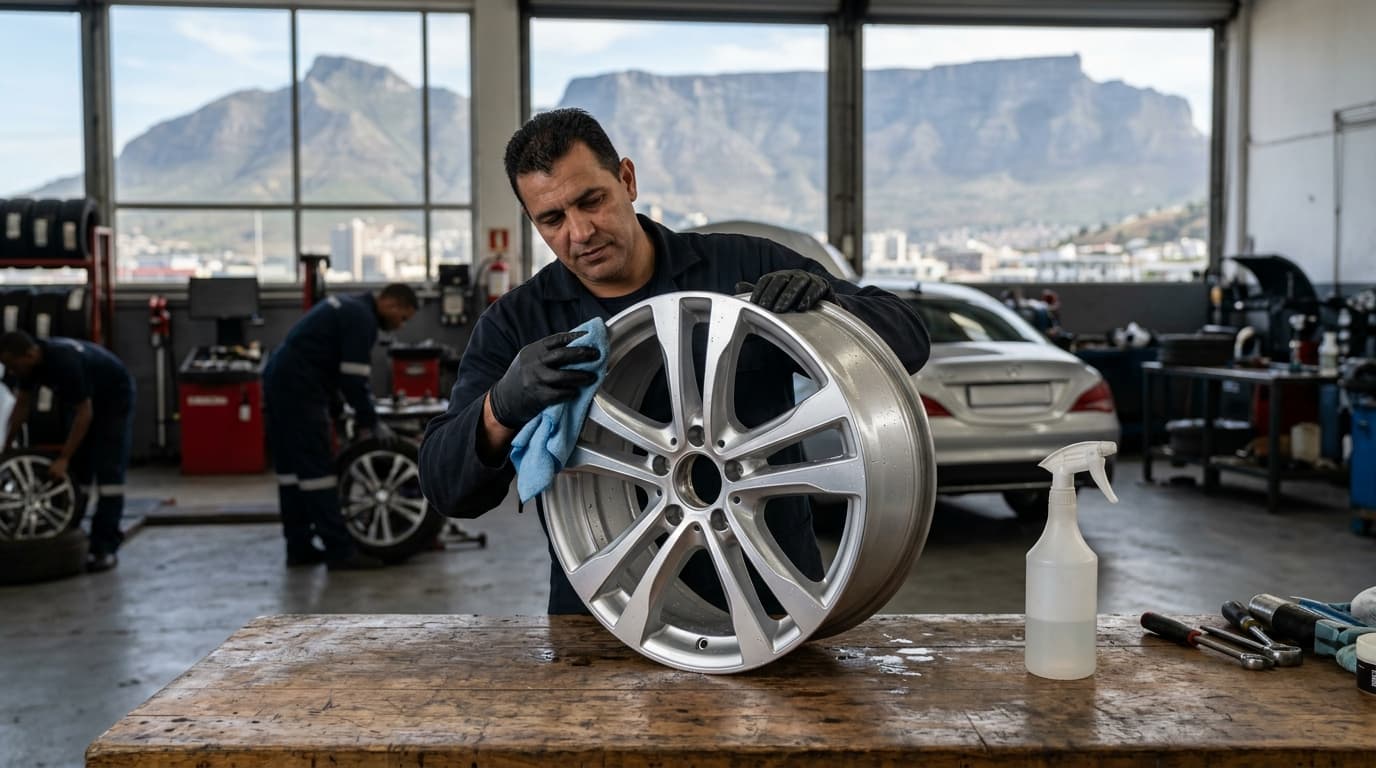
Post-Repair Wheel Care: The First 4 Weeks (What To Do & Avoid)
Post repair wheel care matters most in the first month after your alloys come back from refurbishment. Whether your wheels were repaired for curb rash, refinished after corrosion, powder coated, or restored with a machined face, the first four weeks are when the new finish is settling in, curing fully, and most vulnerable to the wrong cleaning habits. For Cape Town drivers dealing with coastal air, winter grime, and heavy brake dust, those first few weeks can make the difference between a finish that lasts and one that loses its sharp look too early.
At Speedline Mags in Parow, one of the most common questions we hear after collection is simple: what should I do now, and what should I avoid? The answer depends slightly on the type of repair, but the basic rule is consistent. Fresh wheel finishes need a short protection period, gentle cleaning, and some restraint. This guide explains exactly how to handle post repair wheel care in the first four weeks, with practical advice for South African driving conditions and a copy-and-save checklist at the end.
If you are new to alloy maintenance in general, it helps to also read our ultimate wheel care guide and safe alloy wheel cleaning guide after this one.
Why the First 4 Weeks Matter After Wheel Repair
A wheel can look finished when you collect it, but that does not mean every layer has reached maximum hardness immediately. Fresh lacquer, paint systems, and some coating layers continue stabilising after the wheel leaves the workshop. Even when the finish has been oven-cured, the early period still matters because the surface is newer, cleaner, and easier to damage with harsh chemicals, aggressive brushes, or bad wash habits.
That is especially relevant when the wheel has had:
- Fresh clear coat over a repaired or refinished surface
- A newly painted or powder coated finish
- Diamond cut restoration with new lacquer protection
- Lip or face repairs followed by spot refinishing
- Corrosion treatment and full cosmetic refurbishment
The first four weeks are really about avoiding preventable damage. Most failures we see early on do not come from normal driving. They come from acid cleaners, automated car washes, strong tyre dressings oversprayed onto fresh finishes, and owners trying to scrub away brake dust too aggressively.
The First 24 Hours: Leave the Wheels Alone
The first day is the easiest period to manage because the right move is mostly to do less.
Do not wash the wheels immediately
For the first 24 hours, avoid washing the wheels entirely unless you were given a different instruction for a very specific finish. That means no hose, no pressure washer, no wheel cleaner, and no wet cloth. The finish needs a quiet settling period before you start introducing moisture, surfactants, or friction.
Avoid tyre shine and detailing sprays
It is tempting to dress the tyres and make everything look perfect straight away. Do not do that on day one. Many glossing products contain solvents or leave residue that can contaminate a newly finished wheel face or outer lip. Overspray from tyre shine is a common avoidable mistake.
Drive normally, but avoid unnecessary abuse
Normal commuting is fine. What you want to avoid is fresh impact damage, kerbing, or driving through construction grime and then trying to scrub it off the same evening. If possible, park with a little extra care and give yourself wider clearance at curbs for the first week.
Days 2 to 7: Gentle Cleaning Only
This is the stage where most people overdo it. The wheel already looks great, so they want to maintain that look aggressively. In reality, week one is about gentle maintenance, not deep cleaning.
Hand wash only
For at least the first week, and ideally the full four weeks, use hand washing only. Avoid automatic washes, especially any system that uses rails, hard brushes, or strong chemical wheel products. Automatic systems are rough on established finishes, and they are even worse for fresh refurbishment work.
If you want background on how poor wash choices can affect your wheels, our guide to wheel corrosion causes and prevention explains how contamination and damaged protection layers start problems early.
Use only pH-neutral cleaners
This is the safest rule to remember: if the cleaner is acidic, alkaline-heavy, or marketed as a strong fallout remover, keep it away from fresh wheels. During the early care period, use only a pH-neutral wheel cleaner or mild car shampoo diluted correctly.
Good options for the first four weeks include:
- pH-neutral wheel cleaner
- pH-balanced car shampoo
- clean water in a spray bottle for light dusting
- soft microfiber cloths
- a soft wheel brush used gently
Avoid anything that says fast-acting, acid-based, heavy-duty, iron burn, or industrial degreaser.
Keep your pressure washer at a distance
Pressure washers are not automatically forbidden, but using them too closely on fresh edges, repaired lips, or new lacquer is unnecessary risk. If you use one, keep distance, use a wide fan pattern, and do not blast directly into edges, stone chips, valve areas, or repaired sections.
Weeks 2 to 4: Normal Use, Controlled Maintenance
By week two, the wheel can usually be maintained more normally, but not harshly. This is where good post repair wheel care becomes a routine rather than a restriction.
Wash more often, not more aggressively
Cape Town drivers often leave brake dust on too long and then try to remove it with stronger chemistry. That is the wrong approach after refurbishment. It is better to wash lightly every week than to leave buildup for three weeks and attack it with something aggressive.
This matters even more if you drive a vehicle known for heavy brake dust, such as a BMW 3 Series, a Mercedes sedan, or a sporty VW model. If you commute through Bellville traffic, Parow industrial routes, or the N1 in wet weather, contamination builds fast.
Dry the wheels properly
Do not let dirty rinse water dry on the wheel if you can avoid it. Minerals, road film, and leftover cleaner can mark the surface. Use a separate microfiber towel just for the wheels and dry them gently.
This is particularly important for machined or diamond cut wheels. If your refurbishment involved a machined face, the protective lacquer is what stands between the bright finish and oxidation. That is one reason we recommend understanding diamond cut wheel repair before assuming all wheel finishes behave the same way.
Be careful with wheel sealants and ceramic sprays
Protective products can help, but week two is not the time to start experimenting with strong solvents or untested coatings. If you want to add a protection product in the first month, keep it mild, follow label directions closely, and avoid stacking multiple products on top of a fresh finish.
If in doubt, ask the repairer first. A rushed protection step can do more harm than skipping it for another week or two.
What to Avoid During the First 4 Weeks
These are the mistakes most likely to shorten the life of a fresh wheel finish.
1. Acid wheel cleaners
This is the biggest one. Acid-based cleaners may remove brake dust quickly, but they can also attack vulnerable finishing layers, especially on newly repaired areas, lips, and machined surfaces.
2. Hard brushes and abrasive pads
If the tool feels aggressive in your hand, it is too aggressive for a newly repaired wheel. Avoid scouring pads, stiff tyre brushes on the face, and anything metal-edged.
3. Automatic car washes
Even touchless systems can use harsh chemicals. Brush systems add the extra risk of abrasion and trapped grit. For the first month, hand wash is the safest route.
4. Overspray from tyre products
Many tyre dressings end up on the wheel face or between the lip and tyre edge. If you use anything on the tyre, apply it carefully to an applicator, not directly to the sidewall.
5. Ignoring stone chips or curb contact
Fresh repairs are not immune to new damage. If you clip a curb or notice a new chip, do not ignore it. Small damage becomes expensive when moisture and brake dust get into it.
Cape Town Climate: Why Local Conditions Change Wheel Care
Cape Town is harder on wheels than many owners realise. Post repair wheel care is not only about the finish itself. It is also about the environment the finish goes back into.
Coastal air and moisture
Salt in the air, especially for drivers closer to the Atlantic seaboard or regularly parked near the coast, can accelerate corrosion where protection layers are compromised. That means even small nicks around the lip deserve attention.
Winter rain and dirty standing water
In wet months, wheels collect road film, dirty runoff, and grit. Letting that sit on the face for days is never ideal, but it is worse when the finish is new. Rinse and clean lightly rather than waiting for a heavy buildup.
Summer UV and heat
Cape Town sun is hard on every exterior surface. Fresh lacquer and painted finishes benefit from regular, gentle cleaning because embedded dirt plus UV exposure ages the surface faster.
If potholes are part of your normal route, combine your care routine with prevention habits from our guide on protecting wheels from pothole damage.
Recommended Post-Repair Wheel Care Kit
You do not need a complicated detailing shelf. For the first month, a small, safe kit is enough.
Basic kit
Keep these items ready:
- pH-neutral wheel cleaner
- pH-balanced car shampoo
- two soft microfiber cloths for wheels only
- one soft wheel brush
- a separate drying towel
- a bucket with clean rinse water
- a gentle spray sealant only if approved for fresh finishes
What not to buy for week one
Avoid buying these for immediate use on freshly repaired wheels:
- acid-based wheel cleaner
- traffic film remover for wheel faces
- hard drill brushes
- aggressive fallout remover
- compound or polish unless advised
- bargain tyre shine sprayed directly onto the tyre
Copy-and-Save 4-Week Checklist
If you want a simple downloadable checklist, copy this section into your notes app or print it.
First 24 hours
- Do not wash the wheels
- Do not use tyre shine or gloss sprays
- Avoid unnecessary curb contact
- Drive normally, but carefully
Days 2 to 7
- Hand wash only
- Use pH-neutral cleaner only
- Use microfiber cloths and soft brushes only
- Do not use acid cleaners
- Do not use automatic car washes
- Dry the wheels after washing
Weeks 2 to 4
- Clean weekly with mild products
- Remove brake dust early before buildup hardens
- Keep pressure washing gentle and at a distance
- Avoid harsh protective chemicals unless approved
- Watch for chips, marks, or lacquer damage
Contact the repairer if you notice
- Bubbling or peeling
- White spotting under lacquer
- Fresh curb damage
- A slow leak after repair
- Vibration or shape changes after an impact
If you are dealing with vibration, leaks, or suspicious marks after repair, do not treat it as only a cleaning issue. Read our guide to signs your wheels need professional repair and get the wheel checked.
When You Should Come Back for Inspection
Most cosmetic repairs do not require a return visit, but some situations justify a quick inspection.
Come back or get in touch if:
- you see a chip spreading from the edge
- brake dust seems to stain unusually fast in one area
- the wheel suffered a pothole impact soon after repair
- you notice moisture trapped under lacquer
- the wheel has a persistent slow leak
It is far better to inspect a small concern early than to wait until a cosmetic issue becomes corrosion or a structural problem. The same applies if the tyre begins losing pressure after an impact. That may point to lip damage, a sealing issue, or a separate problem unrelated to the original cosmetic repair.
Final Advice for Long-Term Results
The best post repair wheel care routine is not complicated. Wash gently, wash regularly, and do not chase quick results with aggressive products. Freshly refurbished wheels usually fail early because of impatience, not because the owner drove the car normally.
If you keep the first four weeks simple, the finish has the best chance of staying clean, glossy, and properly protected for the long term. That applies whether your wheels were repaired for curb rash, powder coated, or restored as part of a full refurbishment.
For Cape Town drivers, smart post repair wheel care means adjusting to local conditions: brake dust, wet roads, coastal air, and everyday curb risk. If you want advice specific to your finish, contact Speedline Mags in Parow. We can help you protect the work properly and keep your refurbished wheels looking right long after collection.