
OEM vs Aftermarket Wheels: What You Need to Know
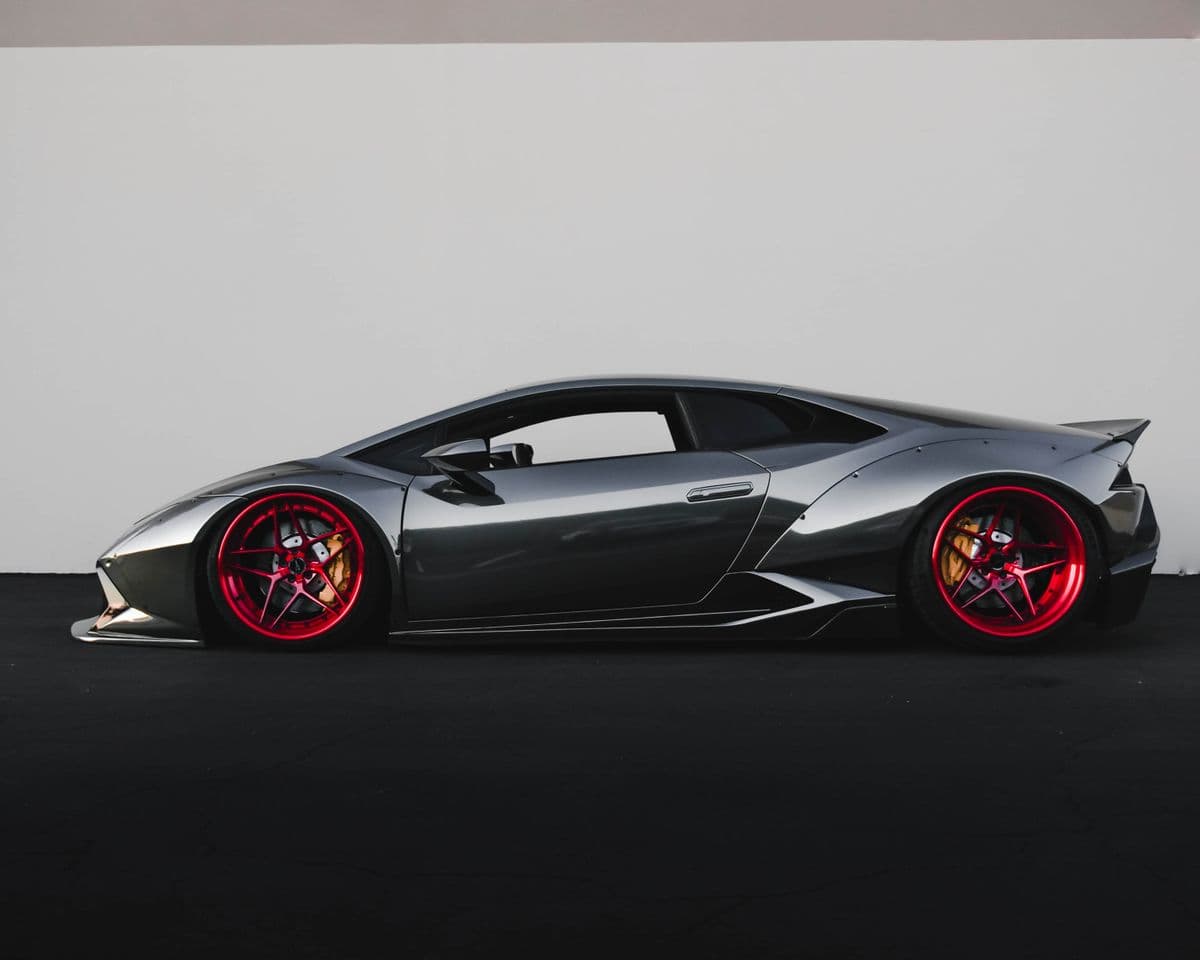
If you drive in Cape Town long enough, the question of OEM vs aftermarket wheels South Africa stops being theoretical. A pothole on the N1, a kerb in a Bellville parking bay, or a slow leak after a Northern Suburbs commute can leave you staring at a damaged rim and a choice: replace it with a factory (OEM) wheel, or go aftermarket. Both can be excellent. Both can also be a costly mistake if you pick the wrong one for your car, budget and driving.
This guide breaks the decision down the way we explain it every week at Speedline Mags in Parow — without the sales spin. You will see how OEM and aftermarket wheels differ on construction, fitment, warranty, repairability and rand cost, and when each option actually makes sense for South African roads.
OEM vs Aftermarket Wheels: The Core Difference
OEM (Original Equipment Manufacturer) wheels are the ones that left the factory on your vehicle — or exact replacements supplied through the dealer / OEM parts channel. They are engineered as part of the car’s suspension, braking and load package. Size, offset, centre bore, bolt pattern, load rating and finish are all locked to the manufacturer’s specification.
Aftermarket wheels are made by third-party brands (or unbranded factories) and sold through tyre shops, performance stores and online retailers. They may match OEM dimensions closely, or they may be larger, lighter, deeper-dished or finished in colours the factory never offered. Quality ranges from excellent forged pieces to cheap cast replicas that look the part until the first serious impact.
That single distinction — engineered as part of the car versus designed as a market product — sits behind almost every trade-off that follows.
Why Fitment Matters More Than Looks
In South Africa, “it fitted on my mate’s car” is not a fitment specification. Before you buy either OEM or aftermarket, confirm four numbers:
- Diameter and width (for example 17x7.5)
- PCD / bolt pattern (for example 5x112 or 5x114.3)
- Offset (ET) — how far the mounting face sits from the wheel centreline
- Centre bore — and whether you need hub-centric rings
Get offset wrong and you can rub inner arches, overload wheel bearings, or throw off scrub radius enough to change steering feel. Get centre bore wrong and the wheel can run slightly off-centre even when the nuts are torqued, which shows up as vibration at highway speed. Our wheel sizes and fitment guide covers the basics; treat it as required reading before you order anything.
OEM replacements remove most of this guesswork. Aftermarket options demand more homework — and a specialist who will measure, not assume.
Strength, Weight and How Cape Town Roads Punish Wheels
Cape Town roads are hard on alloys. Potholes after winter rain, unfinished patches on suburban streets, and low-profile tyres on modern SUVs and bakkies all concentrate impact into the rim. Construction method matters:
- Cast OEM wheels are the everyday standard on VW Polo, Toyota Corolla Cross, Hyundai Tucson and similar. They are strong enough for intended loads, relatively affordable to replace, and usually straightforward to repair when damage is cosmetic or a mild buckle.
- Flow-formed / forged OEM wheels appear on higher-spec BMW, Mercedes-Benz, Audi and performance models. They are lighter and generally tougher for a given weight, but more expensive to replace and more specialised to repair correctly.
- Aftermarket cast wheels vary wildly. A reputable brand with published load ratings can be fine for daily use. A bargain multi-spoke set with no clear load data is a gamble on pothole-heavy routes through Parow, Goodwood or the N7 corridor.
- Aftermarket forged wheels can outperform OEM for track or weight-sensitive builds, but only when the brand, load rating and fitment are legitimate.
If you have already bent a rim, read our wheel straightening guide before deciding whether to repair the damaged wheel or replace the set. A single mismatched aftermarket rim on an otherwise OEM set can look odd and, more importantly, can change how the car behaves if weight and stiffness differ.
Warranty, Insurance and Roadworthiness
OEM wheels keep you closest to the vehicle manufacturer’s original package. That can matter if:
- The car is still under factory warranty and a dealer is looking for excuses related to “non-approved parts”
- You need a like-for-like insurance replacement after an accident claim
- You plan to sell the car soon and want stock appearance for resale
Aftermarket wheels are not automatically a warranty-killer, but they can complicate conversations when something else goes wrong with bearings, suspension or ABS tone rings. Keep invoices, fitment sheets and torque records. For insurance damage, our wheel damage insurance claims guide explains how assessors typically think about repair versus replace.
Also remember: wheels are a safety component. Cheap aftermarket rims that crack at the spoke roots or will not hold a bead are not a saving — they are a liability. If you are unsure whether a damaged wheel is structurally sound, start with how to know if your alloy wheel can be repaired.
Cost in ZAR: What Cape Town Drivers Actually Pay
Prices move with exchange rates, brand and size, but these 2026 ballpark ranges help frame the OEM vs aftermarket wheels South Africa decision:
| Option | Typical single-wheel cost (ZAR) | Notes | | --- | --- | --- | | Repair cosmetic kerb rash (OEM or quality aftermarket) | R450 – R1,200 | Per wheel, depends on finish | | Straighten mild buckle | R600 – R1,500 | Not every buckle is safe to fix | | OEM replacement (popular 16–18") | R3,500 – R9,000+ | Dealer / OEM channel; prestige brands higher | | Mid-range aftermarket (reputable brand, 16–18") | R2,000 – R5,500 | Confirm load rating and warranty | | Budget no-name aftermarket | R1,200 – R2,500 | Highest long-term risk | | Premium forged aftermarket | R6,000 – R15,000+ | Performance / show builds |
A full set of four aftermarket wheels can still cost less than two OEM replacements on a prestige SUV — which is why people look aftermarket in the first place. But factor in tyres (new sizes may need new rubber), TPMS sensors, balancing, and the chance that a cheap rim fails after one bad pothole. Sometimes repairing your existing OEM wheel at Speedline Mags is the cheapest and safest path. For broader pricing context, see our wheel repair cost guide for South Africa.
Repairability: The Angle Most Buyers Forget
This is where an alloy workshop sees the real difference between OEM and aftermarket every day.
OEM wheels usually have known alloys, known finishes and known repair limits. Diamond-cut faces on late-model VW, BMW and Mercedes wheels need CNC machining and the correct clear coat system — not a rattle-can touch-up. Powder-coated OEM colours can be matched closely when the wheel is stripped and recoated properly. See our guides on diamond cut vs powder coating and powder coating wheels.
Aftermarket wheels are a mixed bag:
- Good brands publish material and finish info; specialists can straighten, weld (when appropriate), and refinish them with confidence.
- Soft cast replicas often crack rather than bend, or bend in ways that will not hold true after straightening.
- Complex multi-spoke or concave designs can be expensive to refinish because of prep time.
- Some chrome-clad or specialised coated aftermarket wheels are poor candidates for repair at all.
If you are choosing aftermarket primarily to save money, ask the seller (and your repair shop) what happens when you kerb one in six months. A rim you cannot repair economically is not cheaper — it is deferred replacement.
Style, Colour and Personalisation
Aftermarket wins on choice. Satin black, bronze, smoke, two-tone machined faces, deep concave profiles — factory catalogues rarely keep up with what Cape Town drivers want on a Golf R, Fortuner or double-cab Ranger. OEM wins on cohesion: the wheel was designed with the arch gap, brake caliper clearance and body lines in mind.
If you are changing colour rather than brand, you do not always need new wheels. A professional colour change or refinish on sound OEM rims can deliver the look without fitment risk. Compare finishes in our satin vs gloss wheel finish guide and wheel painting vs powder coating durability comparison.
When OEM Is the Better Call
Choose OEM (or OEM-equivalent replacements) when:
- You need a single matching wheel after damage and the other three are factory
- The car is under warranty or on a manufacturer service plan that scrutinises modifications
- You drive mostly highway and suburban miles and value predictability over style
- Load ratings and TPMS compatibility must be foolproof (family SUV, towing, bakkie work)
- You plan to sell soon and want stock appearance
Popular Cape Town examples: replacing one damaged 17" OEM wheel on a VW Polo TSI, matching a Toyota Hilux factory rim after a pothole hit, or restoring a BMW 3 Series diamond-cut OEM face instead of mixing in a lookalike.
When Aftermarket Makes Sense
Choose aftermarket when:
- You are replacing a full set and want a specific look or staggered fitment that OEM does not offer
- You have verified PCD, offset, bore, load rating and brake clearance with a specialist
- The brand has a real warranty and South African support, not only a glossy Instagram page
- You accept that repairs may differ from OEM processes and budget accordingly
- The vehicle is used for show, weekend performance, or a deliberate build where OEM style is not the goal
Avoid the cheapest listing you can find online for a daily driver that sees Northern Suburbs potholes every week. The rand you save on day one is often spent again on tyres, vibration diagnosis, or a second set of wheels.
A Practical Decision Checklist
Before you buy, work through this list:
- Diagnose the damaged wheel first. Can it be repaired safely? Cosmetics and mild buckles often can; cracks in critical areas often cannot. Start with a professional inspection rather than a quote for four new rims.
- Decide set vs single. One OEM match usually beats one aftermarket odd-one-out.
- Confirm fitment in writing. Diameter, width, PCD, ET, bore, load rating, TPMS.
- Compare total cost. Wheel(s) + tyres + sensors + balancing + alignment check.
- Ask about repair paths. Who will straighten or refinish this exact wheel when life happens?
- Keep the old set if storage allows — OEM winters / backups are useful, and originals help resale.
Drivers in Parow, Bellville, Durbanville and surrounds can bring the damaged wheel (or the car) to Speedline Mags for an honest assess-and-advise conversation before money leaves your account.
Common Myths We Hear in the Workshop
“Aftermarket is always weaker.” Not true of quality forged or reputable flow-formed brands. It is true of many ultra-cheap cast copies.
“OEM cannot be repaired — only replaced.” Also false. Most cosmetic damage and many buckles on OEM alloys are repaired daily to a high standard. Replacement is for structural damage, severe cracks, or when repair cost approaches replacement cost.
“Bigger aftermarket wheels ride better.” Usually the opposite on broken SA surfaces. Larger diameter often means lower-profile tyres and harsher impacts into the rim. Read how potholes damage wheels before upsizing.
“If the studs fit, it is fine.” Bolt pattern is only one of four critical measurements. Offset and centre bore mistakes cause vibration, rubbing and premature bearing wear.
OEM vs Aftermarket Wheels South Africa: The Bottom Line
There is no universal winner in the OEM vs aftermarket wheels South Africa debate. OEM is the safer default for matching, warranty comfort and known repair behaviour. Aftermarket is the better tool when you want a full-set style change and you are willing to verify fitment, brand quality and long-term repairability.
What is universal: do not let a single ugly kerb rash push you into four cheap rims you have not researched. Inspect, repair when it is safe, replace when it is not, and buy once with the right specification.
Talk to Speedline Mags Before You Buy or Replace
Speedline Mags in Parow works on OEM and aftermarket alloys every day — diamond-cut refurbishment, powder coating, straightening, welding assessments and full refinishes for cars and bakkies across Cape Town’s Northern Suburbs. If you are weighing repair against replacement, or OEM against aftermarket, bring the wheel in for a clear recommendation grounded in safety first and finish quality second.
Contact Speedline Mags to book an inspection, get a straight quote in ZAR, and leave with a plan that fits your car — not just a brochure photo.