
How Wheel Corrosion Happens and How to Prevent It
How Wheel Corrosion Happens and How to Prevent It
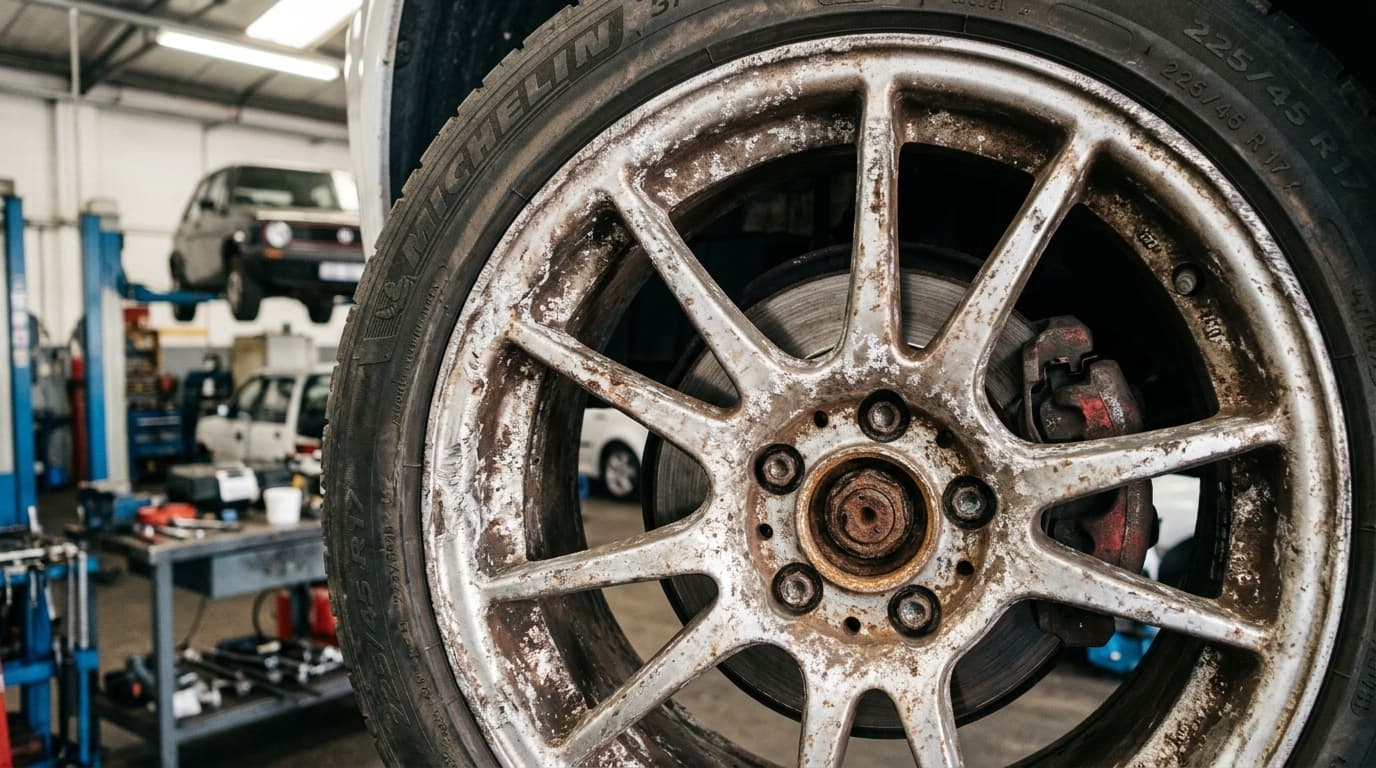
Wheel corrosion prevention is one of the most practical skills a Cape Town driver can learn — and one of the least glamorous. Alloy wheels do not usually fail overnight. They quietly oxidise under brake dust, road salt from winter mist, and the fine grit kicked up on the N1 between Parow and Bellville. By the time you notice white powder on the spokes or a bubbling clear coat on the lip, the finish is already compromised.
At Speedline Mags in Parow we see the same pattern every week: a VW Polo or BMW 3 Series arrives looking “a bit dull,” and under a workshop light the damage is clear. Corrosion is not only cosmetic. Once the protective layers break down, the aluminium alloy itself starts to pit. That makes later diamond cut refurbishment harder, and it can eventually affect the tyre bead seal.
This guide explains how wheel corrosion starts, why South African conditions accelerate it, and what actually works for prevention — not marketing myths.
What Wheel Corrosion Actually Is
Alloy wheels are mostly aluminium with smaller amounts of other metals. Aluminium does not “rust” the way steel does. Instead it forms aluminium oxide. In a controlled industrial finish that oxide layer can be protective. On a road wheel with a damaged clear coat, it shows up as:
- White or grey powdery deposits on spokes and barrels
- Rough, chalky patches that wipe off onto a cloth
- Bubbling or peeling lacquer around the outer lip
- Dark staining where brake dust has etched into the clear coat
- Pitting that you can feel with a fingernail
That white powder is the classic early sign. Left alone, it spreads under the clear coat and lifts the finish in flakes. On diamond-cut faces the contrast is especially harsh: bright machined aluminium next to dull, corroded edges.
Clear coat is the real defence
Factory alloy finishes rely on a multi-layer system — colour or machined face, then a clear protective lacquer. Once that lacquer is scratched, UV-damaged or chemically attacked, the metal underneath is exposed. Wheel corrosion prevention is really clear-coat preservation plus early repair when the coat fails.
If you want a broader maintenance framework, pair this article with our ultimate wheel care guide.
Why Cape Town Wheels Corrode Faster Than You Expect
Cape Town is not a coastal industrial city in the Durban sense, but local conditions are still hard on alloys.
Sea air and winter moisture
Drivers in Table View, Blouberg and the Atlantic seaboard deal with salt-laden mist. Even inland suburbs like Durbanville and Bellville get damp winter mornings that leave wheels wet for hours. Moisture plus oxygen is enough to start oxidisation wherever the lacquer is thin.
Brake dust is chemically aggressive
Modern pads leave fine metallic dust that sticks to hot rims. When that dust sits through a Cape Town heat wave, it can etch the clear coat. Dark grey staining on the inner barrel of a Toyota Hilux or Ford Ranger is often brake dust damage, not “just dirt.”
Potholes and kerb kisses break the seal
A single scrape against a parking kerb in a mall basement can cut through lacquer on the outer lip. That tiny wound becomes the entry point for corrosion. The same applies after pothole impacts: if the lip is gouged, moisture gets in.
Harsh cleaners and automatic washes
Acidic “wheel brighteners,” leftover traffic film removers, and aggressive brush washes strip wax and attack lacquer. Many DIY products sold for “instant shine” are too strong for diamond-cut or polished faces.
Heat cycles
Alloys expand and contract. Micro-cracks in an ageing clear coat open and close with every hot stop-start commute from Parow to the CBD. Water works its way under the film. That is why neglected wheels often look worse after a few seasons than after a single bad wash.
Early Signs You Should Not Ignore
Catching corrosion early is the difference between a light polish-and-reseal and a full strip-and-refurbish.
Visual checks (two minutes at home)
Park in good light and look at:
- Outer lip – white spots, bubbling, or rough texture
- Spoke edges – dull patches on otherwise glossy faces
- Behind the spokes – powder on the inner barrel
- Around the valve – staining or lacquer lift
- Bead seat area (if the tyre is off) – corrosion here can cause slow leaks
If you already have a slow leak, ask the fitter to inspect the bead seat for corrosion before assuming the tyre is the only culprit.
Feel and sound clues
- A rough, sandy feel on a supposedly smooth lacquer
- Brown or white residue on a microfibre after a gentle wipe
- Vibration that appears after corrosion has been “cleaned” aggressively (imbalance from material loss is rare, but uneven tyre seating from a corroded bead is not)
For a wider diagnostic list, see signs your wheels need professional repair.
How Professionals Treat Corroded Alloys
Prevention is cheaper than cure, but once corrosion has started you need a proper process.
Assessment
A specialist checks whether damage is limited to the clear coat or has pitted the alloy. Deep pitting on a structural area may change the repair plan. Cosmetic oxidisation on spokes is usually recoverable.
Strip, treat, refinish
Typical workshop steps include:
- Removing the tyre and protecting the bead seat
- Stripping failed lacquer
- Treating oxidised aluminium (mechanical and chemical, depending on severity)
- Filling and blending minor pits where appropriate
- Refinishing — powder coat, wet paint, or diamond cut — then a durable clear system
- Curing, balancing, and refitting
Diamond-cut wheels need extra care: the machined face must be recut or carefully restored, then sealed. That is why cheap “spray and pray” kerbside touch-ups often look worse within months.
If you are weighing finish options after corrosion repair, compare diamond cut vs powder coating and our powder coating guide.
Cost context in ZAR
Light cosmetic treatment on a single wheel can sit in a lower hundreds-to-low thousands of rand range depending on finish. A full set of diamond-cut refurbishments is a larger investment — still usually far below replacing four OEM mags on a BMW or Mercedes. For broader pricing context, see our wheel repair cost guide. Exact quotes depend on wheel size, finish and how far corrosion has progressed.
Wheel Corrosion Prevention: What Actually Works
Here is the practical programme we recommend to Cape Town owners.
1. Wash wheels on a schedule — gently
- Rinse cold first to remove grit
- Use a pH-neutral car shampoo or a dedicated wheel cleaner labelled safe for alloys and clear coats
- Soft brush or wheel woolies; never wire brushes on lacquered faces
- Rinse thoroughly; dry with a clean microfibre
Aim for every one to two weeks if you commute daily, more often if you live near the coast or do a lot of short trips that load the brakes.
2. Do not let brake dust bake on
A Friday afternoon wash after a hot week of traffic is better than a monthly deep clean. Dust that has cooked onto the lacquer is harder to remove safely.
3. Protect the clear coat
After washing, a quality wheel spray sealant or ceramic-type wheel coating adds a sacrificial layer. Reapply as the product recommends. Wax alone is better than nothing, but modern wheel sealants cope better with heat.
4. Fix kerb rash early
That silver scrape on the lip is an open wound. Touch-up kits rarely match factory diamond cut, but a professional local repair seals the metal before oxidisation spreads. Read more in our curb rash guide.
5. Mind automatic washes and DIY acids
If a product smells strongly acidic and promises “showroom metal in minutes,” treat it with suspicion — especially on polished or diamond-cut faces. When in doubt, stick to neutral cleaners.
6. Winter and coastal extra care
After a rainy week or a weekend in Blouberg, give wheels a fresh-water rinse even if you are not doing a full wash. Salt and moisture left overnight start the chemistry.
7. Inspect when tyres are off
Every puncture repair or rotation is a chance to check the inner barrel and bead seat. Ask the technician to flag corrosion while the tyre is removed — that is when prevention is cheapest.
8. Store seasonal wheels correctly
If you run a second set, clean them, dry them fully, and store them in a dry space off concrete floors if possible. Bagging dirty, wet wheels traps moisture against the lacquer.
Common Myths About Alloy Corrosion
“Alloys don’t rust, so corrosion is not a real problem.”
Aluminium oxidises. The damage mode is different from steel rust, but the finish still fails and the metal can pit.
“A harsher cleaner is better prevention.”
Overly aggressive chemistry strips protection and accelerates the next round of damage.
“Only coastal cars get this.”
We regularly treat corroded wheels from Bellville, Parow and Durbanville. Brake dust, UV and kerb damage are enough inland.
“Once powder-coated, corrosion is impossible.”
Powder coat is tough, but chips and poorly prepared surfaces still allow moisture in. Preparation quality matters as much as the coating brand.
“I can sand the white powder off and spray clear coat at home.”
Without removing contamination and sealing correctly, DIY clear often traps moisture and peels. Professional prep is what makes wheel corrosion prevention stick after a repair.
When Corrosion Means Repair, Not Just Cleaning
Book a professional assessment if you notice:
- Bubbling lacquer larger than a coin
- Powder that returns within days of washing
- Rough pitting you can feel
- Corrosion near the tyre bead with pressure loss
- Diamond-cut faces going patchy or cloudy
Delaying usually raises the bill. What starts as a localised lip repair can become a full strip because oxidisation creeps under intact-looking clear coat.
If the wheel is also bent or cracked, address structure first — see our guides on wheel straightening and repair vs replacement.
A Simple Monthly Checklist for Northern Suburbs Drivers
Use this as a fridge-door routine:
- Visual walk-around of all four wheels in daylight
- Gentle wash if brake dust is visible
- Quick sealant wipe on outer faces
- Note any new kerb marks for repair
- Listen for new road noise or vibration on the N7 / N1 commute
- Every tyre service: ask for a corrosion check on bead seats
Owners of premium German cars (BMW, Mercedes, Audi) and popular daily runners (VW Polo, Golf, Toyota Corolla, Hilux) all benefit from the same discipline. Finish systems differ; chemistry does not.
How Speedline Mags Approaches Corroded Wheels
Based in Parow, we work on alloys from across the Northern Suburbs and greater Cape Town. Our process starts with honest assessment: what can be saved cosmetically, what needs a full refinish, and whether diamond cut, powder coat or a colour change is the smarter long-term choice for your driving.
We see corrosion paired with kerb rash, buckles from potholes, and neglected clear coats after years of automatic washes. Treating the finish without understanding how you use the car is how shops create pretty wheels that fail again in six months. Prevention advice after the repair matters as much as the spray booth work.
Conclusion: Prevention Beats Refurbishment Every Time
Wheel corrosion prevention is not a product you buy once. It is a habit: gentle washing, timely sealing, early kerb repairs, and respect for clear coat. Cape Town’s mix of moisture, brake dust, UV and rough roads will find every weak spot on an alloy rim. Stop oxidisation at the scratch, and you keep factory-looking wheels longer. Ignore the white powder, and you pay for a full refurbishment later.
If your mags already show bubbling lacquer, chalky spokes or staining that will not wash off, bring them to Speedline Mags in Parow. We will tell you straight whether a local repair will hold or whether a proper refinish is the durable option — and how to keep corrosion from coming back.
Contact Speedline Mags to book an inspection or refurbishment quote. Your alloys work hard on South African roads; a little prevention keeps them looking and sealing the way they should.