
Why Automatic Car Washes Damage Alloy Wheels (And What To Use Instead)
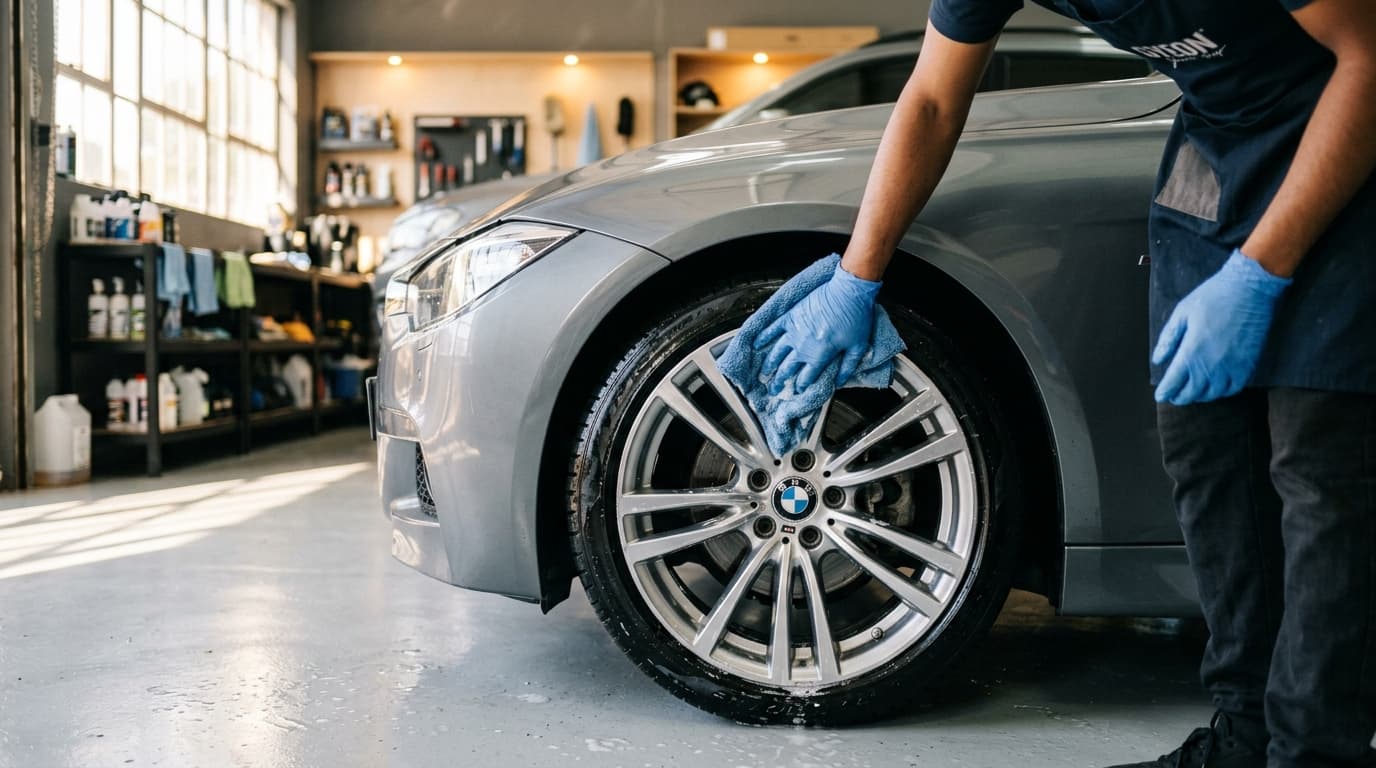
If you've ever driven through an automatic car wash and noticed a new scratch, scuff or strange vibration afterwards, you're not imagining things. Automatic car washes — from the old-school brush tunnels to modern touchless systems — can cause real, measurable damage to alloy wheels. It's one of the most common yet overlooked causes of cosmetic and structural wheel damage we see at Speedline Mags in Parow, Cape Town.
This guide breaks down exactly how automatic car wash wheel damage happens, which types of wash are least risky, and what South African drivers should do instead to keep their rims looking factory-fresh.
How Automatic Car Washes Actually Work (And Where Things Go Wrong)
Most drivers think of a car wash as a simple, harmless convenience. But strip away the soapy foam and cheerful signage, and you're running your vehicle through a gauntlet of mechanical forces, chemical compounds and rigid machinery — all calibrated for an average car that may not match yours.
There are three main types of automatic car wash:
1. Soft-cloth brush tunnels: Rotating brushes or cloth strips make physical contact with your vehicle. These are the most common in South Africa and the most problematic for alloy wheels.
2. Touchless (high-pressure) washes: No physical contact — water jets and chemicals do the work. Lower risk for scratches, but the chemicals used are often highly alkaline and can attack wheel lacquer.
3. Friction/combo washes: A hybrid of both. Brushes handle the bodywork while high-pressure jets tackle the lower panels and wheels.
Each system has a different failure mode when it comes to your wheels.
The Four Main Ways Automatic Car Washes Damage Alloy Wheels
1. Alignment Rails and Guide Rollers
This is the big one that most drivers never think about. When your car enters an automatic car wash tunnel, rubber-edged rails or rollers guide your front tyres into position on a conveyor. On modern cars with low-profile tyres (35 or 40 series), these rails often make contact not just with the tyre sidewall but with the wheel rim itself.
The result is kerb-rash-style scraping along the outer lip of the wheel — the same damage you'd get clipping a pavement, except it happens in a supposedly "safe" environment. If your car runs 19-inch or larger wheels with low-profile rubber, the risk is significantly higher because there's simply less tyre sidewall between the rim and the rail.
Competitors in the detailing industry have been flagging this issue for years, and it's consistent with what we see coming through our workshop. Customers are often baffled: "I haven't hit a curb recently — where did this come from?"
2. Abrasive Brushes and Bristles
Soft-cloth tunnel washes are anything but gentle on alloy wheels. The rotating brushes that work well on painted bodywork are too aggressive for the detailed faces, spokes and crevices of alloy wheels. Trapped grit from previous vehicles can turn each brush pass into a fine sandpaper treatment on your lacquer finish.
Diamond-cut wheels are especially vulnerable. The machined finish — which gives that precise, bright outer face — is protected only by a thin layer of clear lacquer. Once abrasive brushes start degrading that lacquer, water and oxygen get underneath and oxidisation begins. What starts as a minor brush mark can turn into peeling lacquer and pitting within a few months.
3. Alkaline Wheel Cleaning Chemicals
Touchless car washes rely on strong chemical cleaners to compensate for the absence of physical scrubbing. Many of the wheel-specific chemicals used in high-volume car washes are highly alkaline (high pH) because they're effective at cutting through brake dust and road grime.
The problem is that prolonged or repeated exposure to high-pH chemicals strips wheel lacquer, degrades the anodising on matte finishes, and can even attack the aluminium alloy substrate itself over time. If you've ever noticed your wheels looking dull, chalky or lightly pitted after a period of regular car washing, chemical exposure is likely a contributing factor.
In South Africa, car wash chemicals are not regulated to the same standard as some international markets, which means the concentrations used can vary significantly.
4. High-Pressure Jet Angles and Brake Dust Embedding
High-pressure jets in automatic washes are optimised for the average car at a fixed height. The angle of the jet often drives brake dust, grit and sand particles directly into the wheel face and inner barrel rather than away from it. What should be a cleaning action ends up micro-blasting contaminants against your wheel surface at high velocity.
Are Some Wheels More Vulnerable Than Others?
Yes, significantly. Here's a quick breakdown:
High-risk wheel types:
- Diamond-cut/lathe-cut finishes — thin lacquer is easily compromised
- Polished or high-gloss finishes — show scratches immediately
- Deep-dish multi-spoke designs — brushes catch edges and inner spokes
- Low-profile tyre fitments — more rim exposed to alignment rails
Lower-risk wheel types:
- Solid powder-coated or painted finishes — thicker, more forgiving coating
- Simpler spoke designs with fewer crevices
- Wheels with ample tyre sidewall (55 series or higher)
If you're driving a BMW 3 Series, VW Polo GTI, Audi A3 or similar with 18- or 19-inch low-profile fitment, your wheels are in the high-risk category. Many of the diamond-cut refurbishment jobs we do at Speedline Mags in Parow trace back directly to automatic car wash damage accumulated over months.
For more on protecting your specific vehicle's wheels, see our guides on BMW wheel repair and Volkswagen wheel repair.
What About Touchless Car Washes?
Touchless washes eliminate the brush and bristle risk, which makes them a safer option in terms of physical abrasion. However, they're not risk-free for alloy wheels. The alkaline chemical concern remains, and some touchless systems compensate for the lack of scrubbing action by using even higher chemical concentrations.
If you do use a touchless wash, look for one that:
- Offers a pH-neutral or low-pH wheel cleaner option
- Rinses thoroughly with clean water (not recycled water that contains prior contaminants)
- Has adjustable jet pressure settings
In the Cape Town area, these facilities are rare. Most car washes — even the "premium" ones — use whatever chemicals are most cost-effective.
The Safe Alternative: Hand Washing Your Alloy Wheels
There's no shortcut here. Hand washing is the safest way to clean alloy wheels without risking damage, and it doesn't have to take long once you have the right setup.
What You'll Need
- pH-neutral wheel cleaner (look for "pH balanced" on the label — brands like Meguiar's Hot Rims, Chemical Guys Diablo Gel, or local alternatives from automotive stores in Cape Town work well)
- A dedicated wheel brush — soft bristle for the face, a long-handled barrel brush for the inner barrel
- Two buckets: one for soapy water, one for clean rinse water (the two-bucket method reduces recontamination)
- A microfibre wash mitt for the wheel face
- Microfibre drying towels
The Hand-Wash Routine
-
Rinse first. Before applying any product, rinse the wheel thoroughly with a garden hose or pressure washer on a low setting. This removes loose brake dust and road grit that would otherwise act as an abrasive during washing.
-
Apply wheel cleaner. Spray your pH-neutral cleaner on the wheel face, spokes and inner barrel. Allow it to dwell for 30–60 seconds (check the product instructions — some need less time).
-
Agitate with the wheel brush. Work from the inner barrel outward, using the barrel brush first, then switching to the softer face brush for the spokes and outer rim. Rinse your brush in the clean bucket frequently.
-
Rinse thoroughly. Use a strong rinse to flush all cleaner from the inner barrel — residual chemical left inside is a common cause of long-term corrosion.
-
Dry immediately. Water spotting on alloy wheels — especially in Cape Town where the water supply can be mineral-heavy — leaves deposits that etch into lacquer over time. A clean microfibre towel dries the job in under a minute.
-
Apply wheel sealant or wax. A good wheel sealant (Gtechniq W2, CarPro PERL diluted, or a standard carnauba wax) creates a barrier between your wheel finish and future brake dust, making the next wash much easier. Reapply every 3–4 months.
This routine takes about 20–25 minutes for a full car with four wheels. It's not dramatically longer than a car wash queue, and the benefit to your wheels is enormous.
For more detailed maintenance advice, see our ultimate wheel care guide.
What If Your Wheels Are Already Damaged?
If regular automatic car washes have already left their mark — whether it's brush scratches, chemical dulling, lacquer peel or alignment rail scuffs — the damage is repairable in most cases.
At Speedline Mags in Parow, we handle:
Diamond cut refurbishment — the wheel face is machined on a CNC lathe to remove the damaged layer, then a fresh coat of lacquer is applied. The result is indistinguishable from factory. Read more about the process in our diamond cut refurbishment guide.
Powder coating — for wheels with more extensive surface damage or those where the owner wants a colour change, powder coating provides a tough, durable finish that's far more resistant to chemical exposure than factory lacquer. See our powder coating guide for what's involved.
Kerb rash and scuff repair — alignment rail damage along the outer lip is one of the most common repair jobs we do. Depending on depth, this is usually a filler-and-refinish repair that's completed in a day. More on this in our curb rash repair guide.
Corrosion treatment — chemical damage left untreated often leads to corrosion under the lacquer. We strip, treat and refinish affected wheels before the damage progresses to the alloy structure.
The cost of repair is nearly always less than replacement, particularly for OEM or branded aftermarket wheels. For a price guide, see our wheel repair cost guide.
Choosing a Car Wash That Won't Damage Your Wheels
If hand washing isn't always practical, here's how to reduce risk when using a commercial car wash:
-
Choose a hand-wash bay over a tunnel. Many car wash facilities in the Northern Suburbs — Bellville, Parow, Durbanville — offer hand-wash bays where attendants wash the car by hand with soft cloths. This is dramatically safer than a brush tunnel.
-
Ask for wheel-only hand attention. Even at tunnel washes, you can often request that attendants hand-clean the wheels before the vehicle enters the tunnel, reducing brush contact with the rims.
-
Avoid washes with visible brush tunnels if you have low-profile tyres. The alignment rail risk alone is enough reason to skip these if your vehicle has sub-50-series rubber.
-
Check the wheel cleaning chemical used. Ask staff what pH the wheel cleaner is. If they don't know, it's probably high-alkaline. Opt out of wheel cleaning at that facility and do it yourself at home.
-
Inspect your wheels after every car wash. Fresh damage is easier to assess and easier to repair. Catching a new scuff before grit embeds in it or before water gets under lacquer saves repair time and cost.
Summary: Protect Your Investment
Alloy wheels are expensive to replace and expensive to refurbish if damage is allowed to progress. The automatic car wash wheel damage problem is real, consistent, and almost entirely preventable with a small change in routine.
The safest approach is pH-neutral hand washing with dedicated wheel brushes — a 20-minute task that will keep your rims in excellent condition for years. If convenience is a priority, choose hand-wash bay facilities over brush tunnels, and avoid touchless washes that use harsh alkaline chemicals on your wheel finish.
If damage has already occurred, the team at Speedline Mags in Parow, Cape Town can assess and repair most alloy wheel damage efficiently and affordably. We serve customers across the Northern Suburbs including Bellville, Durbanville, Goodwood and beyond.
Contact Speedline Mags to book a wheel inspection or get a quote on refurbishment. We'll tell you honestly what's needed — and what's not.
Speedline Mags is a specialist wheel and mag repair workshop based in Parow, Cape Town. We offer diamond cut refurbishment, powder coating, buckle repair, kerb rash repair and more for all vehicle types.