
Tinted Clear Coat on Diamond Cut Wheels: What It Is and When to Use It
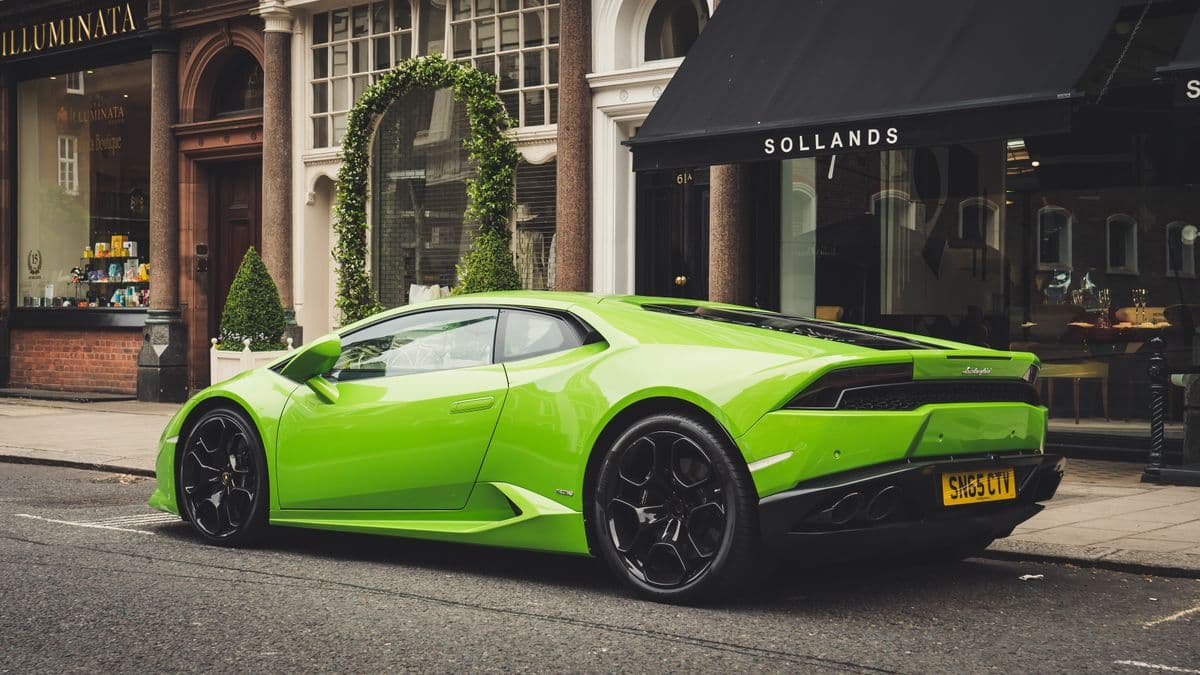
A tinted clear coat on diamond cut wheels is one of the most striking finishes you can put on a modern alloy — a way to keep the mirror-bright, machined-metal look of a diamond cut wheel while adding a subtle wash of colour on top. Think of a factory-silver machined face that now glows warm bronze in the sun, or a cool smoked grey that reads almost black in the shade and lights up like brushed steel under a streetlight. It is a premium finish, it is not for every wheel, and it is very easy to get wrong. This guide explains exactly what a tinted clear coat is, how it goes onto a diamond-machined face, which colours actually work, how durable it is compared to standard lacquer, and roughly what you should expect to pay for it in Cape Town.
At Speedline Mags in Parow, we refurbish diamond cut wheels every week for cars across the Northern Suburbs, so we will keep this practical: when a tinted clear coat is the right call, and when you are better off spending your money elsewhere.
What Is a Tinted Clear Coat on Diamond Cut Wheels?
To understand the tint, you first have to understand the diamond cut itself. A diamond cut (or "machined face") wheel is produced by mounting the alloy on a precision CNC lathe and skimming a fine layer of metal off the front face. That leaves the tell-tale super-fine concentric grooves and the bright, almost chrome-like shine that BMW, Audi, Mercedes-Benz and many others fit from factory. If you want the full breakdown of that process, we cover it in detail in our guide to diamond cut wheel repair and restoring the factory finish.
Bare machined aluminium cannot be left exposed — it oxidises quickly, especially in a coastal city like Cape Town where salt air is brutal on unprotected metal. So the machined face is always sealed under a clear lacquer. A standard diamond cut wheel gets a plain, colourless clear coat. A tinted diamond cut wheel gets that same protective lacquer, but with a small amount of translucent pigment mixed into it — a "candy" or transparent colour that you can see through to the metal underneath.
The result is a two-layer optical effect: the light hits the tint, some of it colours, the rest passes through, bounces off the machined grooves, and comes back out. That is why a tinted clear coat looks alive and metallic rather than flat, the way solid paint or powder coat does. The machined texture is doing half the work.
Common descriptions you will hear for this include "diamond cut with a colour tint", a "machined face tinted wheel finish", or simply a "smoked" or "candy" diamond cut. They all mean the same thing: a see-through coloured lacquer over a machined metal face.
The Tinted Clear Coat Process, Step by Step
Getting a clean tinted diamond cut finish is more demanding than a plain one, because any flaw in the colour layer is magnified by the bright metal beneath it. Here is how we approach it at Speedline Mags:
- Strip and inspect. The old lacquer is chemically stripped and the wheel is checked for cracks, buckling or previous welds. A tinted finish only looks good on a straight, sound wheel — if the rim is bent, we straighten it first. Not sure whether yours is repairable? Our post on the signs your wheels need professional repair is a useful starting point.
- Repair and prep. Kerb damage and corrosion are addressed. Any pitting in the metal has to be dealt with now, because the tint will not hide it — it will highlight it. If the face is badly corroded, see our guide to wheel corrosion causes, prevention and treatment.
- Base coat. A colour base or primer is applied to the areas that are not machined (the spokes' recesses, the barrel, the pockets), typically in a coordinating colour — gloss black and gunmetal are the most popular under a tint.
- Diamond cut on the lathe. The face is machined on the CNC lathe to expose fresh, bright aluminium with the signature fine grooves.
- Tinted lacquer. This is the critical step. The translucent tint is mixed into the clear and sprayed in carefully controlled coats. Too little pigment and the colour barely shows; too much and it goes muddy and loses the metallic shine. Consistency between all four wheels matters enormously — the tint has to be identical across the set or the mismatch will be obvious.
- Bake and cure. The lacquer is oven-cured to harden it and lock the machined face away from moisture and oxidation.
The extra colour-mixing, the test panels, and the tighter tolerance on consistency are exactly why a tinted job takes longer and costs more than a plain diamond cut.
Which Colours Work Best on a Machined Face
Because a tint is translucent and sits over bright silver metal, it behaves nothing like solid paint. Light colours barely register; dark, saturated colours read best. In our experience with diamond cut tinted clear coat in Cape Town, these are the finishes that consistently look premium:
- Smoked / gunmetal grey. The safest, most popular choice. It knocks the "too shiny" edge off a bright diamond cut and gives a moody, OEM-plus look that suits almost any German or Japanese car.
- Bronze / gold tint. Warm and expensive-looking, brilliant on white, grey, black and dark blue cars. A favourite on Audi and VW performance models.
- Bronze-brown "burnt" tints. A deeper, richer version of the above — subtle in shade, dramatic in direct sun.
- Blue and green candy tints. Bolder and more of a statement. They can look superb on the right car but are less forgiving, so we usually recommend seeing a sample first.
- Black "smoke". A heavy tint that darkens the face significantly while still letting the machined grooves sparkle through — a great middle ground between a full gloss-black wheel and a bright diamond cut.
Reds, whites and pastels generally do not work as a tint — there is not enough opacity to carry them, and they tend to look pink or washed out. If you want one of those colours, a solid powder coat is the better route.
Tinted Clear Coat vs Standard Clear Coat: Durability
This is the honest part. A diamond cut finish of any kind — tinted or plain — is less durable than powder coating. The machined aluminium sits directly under a thin lacquer, and if that lacquer is ever breached (a deep kerb scrape, a stone chip, a pothole strike), moisture gets under it and the metal starts to oxidise. That shows up as milky white "worming" spreading out from the damage. It is the number-one weakness of every diamond cut wheel, which is why we compare the two approaches head-to-head in diamond cut vs powder coating.
Does the tint make it worse? Not meaningfully. A well-applied tinted clear coat protects the metal just as well as a plain clear coat — it is the same lacquer, just pigmented. What the tint does affect is repairability of a colour match. If you kerb one tinted wheel and it needs re-machining, matching that exact tint density across a single wheel so it blends with the other three is harder than matching a plain clear. In practice we often recommend re-coating the whole set if a tint is involved, to guarantee consistency.
For Cape Town drivers, the practical durability advice is the same as for any diamond cut wheel:
- Our potholes are unforgiving. Avoiding kerb and pothole strikes is the single biggest thing you can do — see protecting your wheels from pothole damage.
- Wash the salt and brake dust off regularly, especially if you park near the coast.
- Expect a good tinted diamond cut finish to last several years of normal driving before it needs refreshing — as long as the lacquer stays intact.
If you drive hard over rough roads or regularly kerb your wheels, be realistic: a tinted diamond cut is a finish you will need to maintain. If you want the most durable, throw-anything-at-it finish, powder coating in a metallic colour is the tougher choice.
What Does a Tinted Diamond Cut Finish Cost in Cape Town?
Pricing depends on wheel size, condition and design, so treat these as ballpark figures rather than a quote. As a rule of thumb in the current Cape Town market:
- A standard diamond cut refurbishment typically runs a few hundred to around R1 000+ per wheel depending on diameter and complexity.
- A tinted clear coat adds a premium on top of that — commonly in the region of 15–30% more per wheel — to cover the extra colour work, test panels and the tighter consistency requirements.
- Larger diameters (19", 20" and up), intricate multi-spoke designs, and wheels needing straightening or crack repair all push the price up.
For a full picture of what drives wheel refurbishment pricing in South Africa, see our wheel repair cost price guide. The most accurate answer, though, will always come from us looking at your actual wheels — condition is everything with diamond cut work.
Is a Tinted Clear Coat Right for Your Wheels?
A tinted diamond cut is worth it when:
- Your wheels are already diamond cut from factory (or a straight, sound design that suits machining) and you want something more distinctive than plain silver.
- You want an OEM-plus look — subtly different, still classy, not a loud custom colour.
- You are willing to maintain the finish and avoid kerbing.
- You like the metallic depth that only a machined-and-tinted face can give.
It is not the right call when:
- The wheels are badly buckled, cracked or heavily corroded and would be better served by a durable solid finish.
- You want a bright, light or pastel colour — those need solid paint or powder coat.
- The car lives on gravel, does track days, or gets kerbed regularly — in which case the toughness of powder coating wins. (If track use is your thing, keep an eye on our wheel-prep content.)
- Budget is tight and a plain diamond cut or a clean powder coat gets you 90% of the look for less.
Caring for a Tinted Diamond Cut Finish
Once your wheels are done, protecting that finish is straightforward but non-negotiable:
- Wash weekly with a pH-neutral wheel cleaner — never harsh acids, which attack the lacquer.
- Dry with a soft cloth to avoid water spotting, particularly on darker tints where marks show more.
- Treat kerb rash immediately. The moment the lacquer is breached, the clock starts on corrosion. Small damage caught early is a far cheaper fix — our guide to fixing curb rash on alloy wheels explains what is DIY-friendly and what needs a workshop.
- Book a re-coat before the lacquer fails, not after the metal starts worming. Prevention is dramatically cheaper than a full re-machine.
Get a Tinted Diamond Cut Finish at Speedline Mags
A tinted clear coat is the kind of finish that either looks fantastic or looks obviously rushed — there is very little middle ground, and it lives or dies on the quality of the colour work and the consistency across all four wheels. That is exactly the kind of precise, machined finish work we specialise in at Speedline Mags in Parow, serving Bellville, Durbanville, Goodwood and the wider Cape Town Northern Suburbs.
If you are curious whether your specific wheels suit a tinted diamond cut — which colour would work on your car, whether the rims are sound enough, and what it would cost — bring them in or send us photos for an honest assessment. We will tell you straight if a tint is the right move or if a plain diamond cut or a powder coat would serve you better and cheaper.
Contact Speedline Mags today to talk through your options and get a quote on a tinted diamond cut finish that turns heads for the right reasons.